


Can You Make Money With a Resume Builder in 2026? Full Guide
Can You Make Money With a Resume Builder in 2026?
The job market has never been more competitive, and that competition has quietly created a booming niche: the resume builder industry. Every year, millions of job seekers search for tools that can help them stand out, and in 2026, artificial intelligence has turned resume writing from a tedious chore into a fast, data-driven process. For entrepreneurs, freelancers, and developers, this shift raises an obvious question — can you actually make money with a resume builder in 2026? The short answer is yes, and the opportunities are more diverse than most people realize.
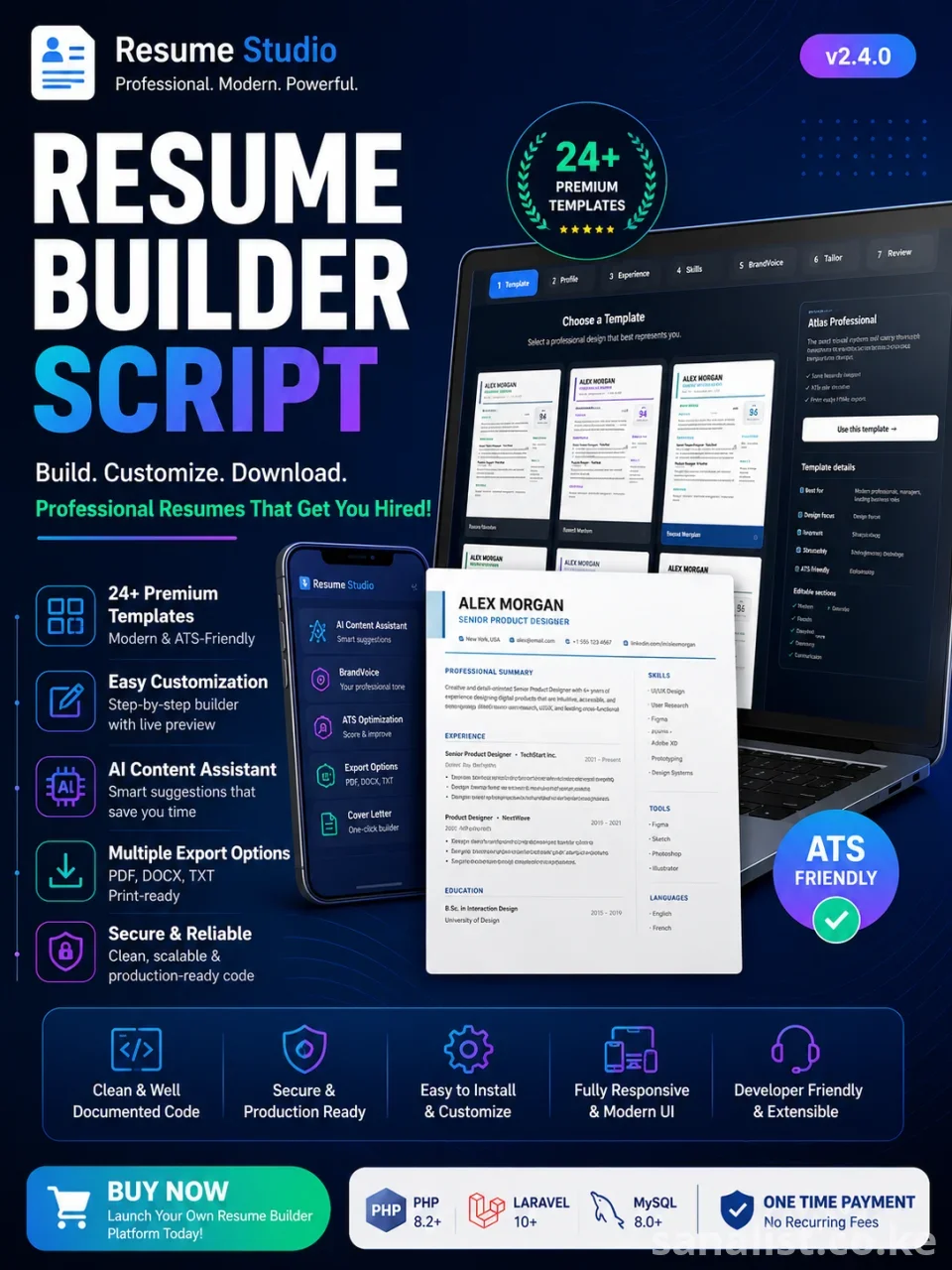
This article breaks down exactly how a resume builder business works today, the revenue models that are proving profitable, and how you can launch your own platform without years of development time — including a ready-made, AI-powered resume builder script you can deploy almost immediately.
Why the Resume Builder Market Is Still Growing in 2026
It might seem like the online resume maker space is saturated — after all, tools like Canva, Zety, and Novoresume have existed for years. But the market keeps expanding for a few clear reasons.
First, the workforce itself keeps growing. According to the International Labour Organization, global employment continues to rise year over year, and every new job seeker is a potential customer for a well-positioned CV builder. Second, hiring practices have changed dramatically. Most companies now rely on Applicant Tracking Systems (ATS) to screen candidates before a human ever sees a resume. Job seekers are searching in huge numbers for tools that promise "ATS-friendly" formatting, which is exactly the kind of long-tail keyword traffic a resume builder business can capture — think "ATS friendly resume builder," "best resume builder for tech jobs," or "free resume builder with AI feedback."
Third, layoffs and career pivots have become a normal part of working life. Whether it is professionals moving between industries or new graduates entering an oversaturated market, the demand for tools that simplify professional resume creation is not slowing down.
How People Actually Make Money With a Resume Builder
There is no single way to monetize a resume builder — successful operators usually combine two or three revenue streams. Here are the main paths.
1. Freemium Subscriptions (SaaS Model)
The most common and scalable approach is a freemium resume builder software model: users can create a basic resume for free, but premium features — advanced templates, unlimited downloads, cover letter generation, or AI content suggestions — sit behind a paid tier. This is the same model used by giants like LinkedIn for many of its career tools, and it works because it lowers the barrier to entry while still converting a percentage of users into paying subscribers.
Typical pricing tiers include:
- A free plan with limited templates and watermarked exports
- A monthly plan (often $5–$15) with unlimited downloads and premium designs
- A one-time "lifetime access" option, which tends to convert well with budget-conscious job seekers
2. Selling Templates and Design Packs
Not every resume builder business needs to be a full SaaS platform. Many creators earn income simply by selling individual resume and CV templates through marketplaces like Etsy or Creative Market. This is a low-overhead way to test demand before investing in a full platform, and it pairs well with a builder tool — you can use your own templates as the design library inside your software.
3. White-Label and Reseller Licensing
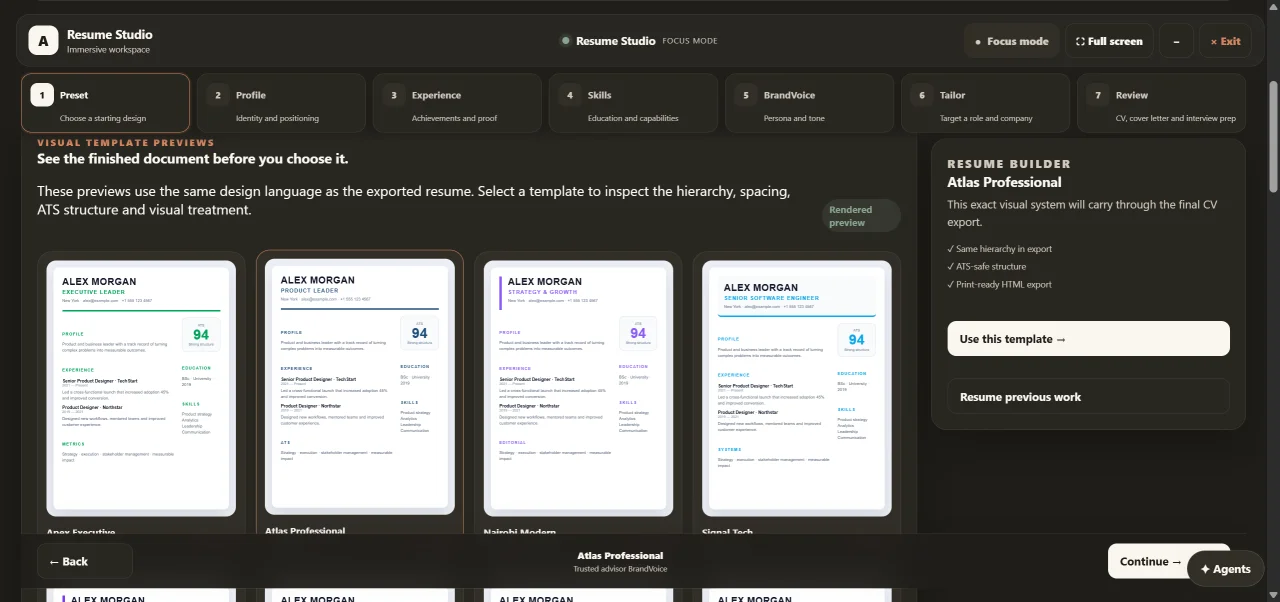
This is where things get particularly interesting in 2026. Instead of building software from scratch, agencies, HR consultants, and career coaches are increasingly buying CV builder scripts outright and rebranding them as their own product. A pre-built, AI-powered resume builder for sale — especially one that is databaseless and generates resumes on the fly using AI — removes the biggest barrier to entry: development time and hosting complexity. Because the platform doesn't rely on a traditional database, it's lighter to host, faster to deploy, and easier to scale, which makes it an attractive option for resellers who want to launch a resume builder business without hiring a development team.
4. Career Coaching and Done-For-You Services
Some entrepreneurs skip the software-only route entirely and pair a builder tool with done-for-you resume writing. Clients pay a premium (often $50–$300) for a professionally optimized resume, and the builder tool becomes the backend engine that speeds up delivery. This hybrid model — software plus service — tends to have the highest margins because it combines recurring software revenue with high-ticket one-time services.
5. Affiliate and Advertising Revenue
If you run a resume builder as a content-driven website (blog + tool), you can also monetize through affiliate partnerships with job boards, online courses, and career platforms, or through display advertising once you have consistent organic traffic. Tools like Google AdSense or niche job-board affiliate programs (Indeed, FlexJobs, etc.) can supplement subscription income nicely.
What Makes an AI Resume Builder More Profitable in 2026
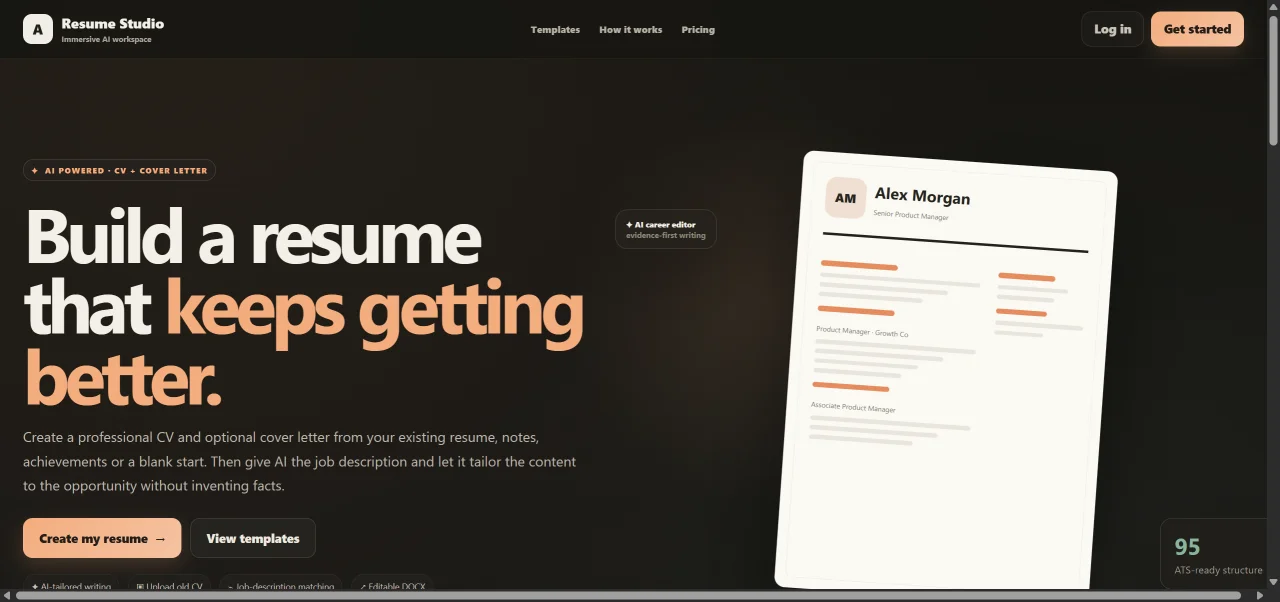
The word "AI" isn't just a buzzword tacked onto marketing copy anymore — it's become the deciding factor in whether a resume builder actually converts visitors into paying users. Job seekers in 2026 expect tools that can:
- Rewrite bullet points to sound more professional
- Tailor a resume automatically to a specific job description
- Suggest quantifiable achievements based on a person's role
- Generate a matching cover letter instantly
- Score a resume against ATS compatibility standards
A databaseless AI resume builder — one that generates resumes on the fly rather than storing static templates — has a real technical and business advantage here. Because content is generated dynamically, it's far easier to keep the tool current with hiring trends, industry-specific language, and formatting standards without manually rebuilding a template library every few months. It also reduces server and maintenance overhead, which is a major cost saver for anyone planning to run this as a business rather than a hobby project.
This is exactly the kind of tool available through this AI-powered resume builder script — a ready-to-deploy, professional CV builder designed for entrepreneurs who want to enter the resume builder market without building the underlying AI infrastructure themselves.
Long-Tail Keywords Worth Targeting in This Niche
If you're planning to build content or SEO strategy around a resume builder business, these long-tail search terms tend to have strong intent and lower competition:
- "best AI resume builder for freshers"
- "resume builder script for sale"
- "how to start a resume builder business"
- "ATS friendly resume builder free"
- "CV builder with AI suggestions"
- "professional resume builder for career changers"
- "white label resume builder software"
- "resume builder business ideas 2026"
Targeting these phrases in blog content, landing pages, and product descriptions helps attract users who are already close to a buying decision — whether that's subscribing to your tool or purchasing a reseller license.
Step-by-Step: Launching a Resume Builder Business in 2026
- Choose your model — decide whether you're building a SaaS product, a template shop, a reseller business, or a hybrid service.
- Get the right technology — rather than coding from scratch, many founders now buy an existing resume builder script that already includes AI generation, saving months of development.
- Brand and customize — add your own logo, color scheme, and template variations to differentiate the product.
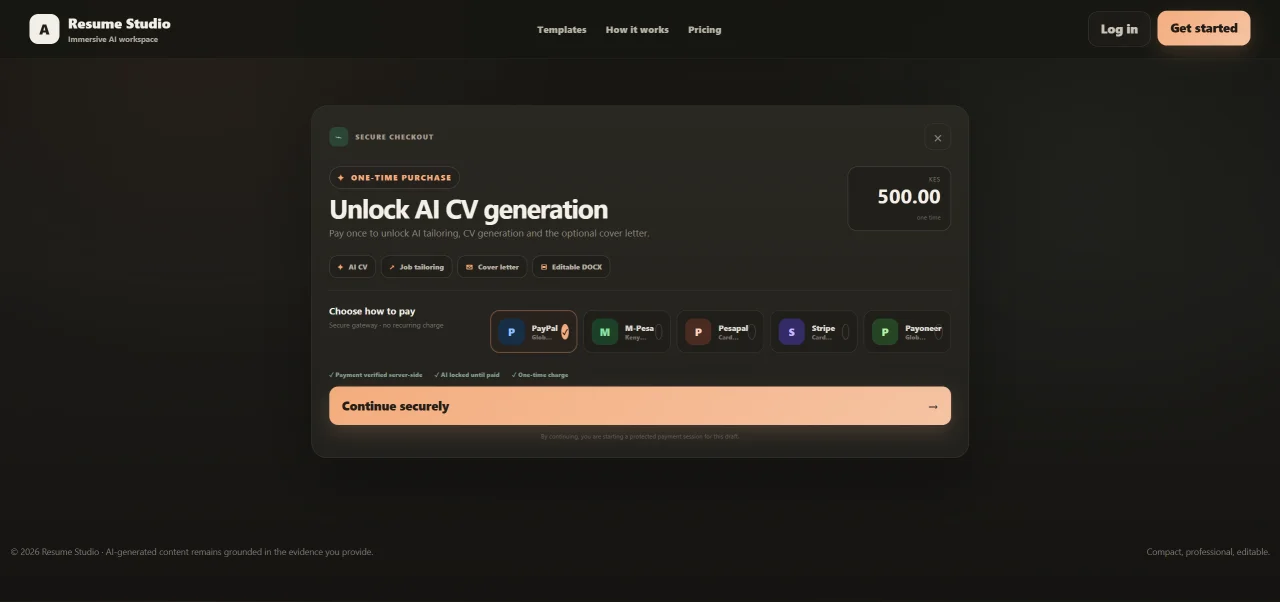
- Set your pricing tiers — combine a free entry point with paid upgrades to maximize conversions.
- Drive traffic — invest in SEO around resume-related keywords, and consider partnerships with career coaches, universities, or job boards such as Indeed for referral traffic.
- Iterate with AI improvements — regularly update your AI prompts and templates to reflect current hiring trends and formatting standards recommended by career experts.
Risks and Realistic Expectations
It's worth being honest: not every resume builder becomes profitable overnight. The market has established competitors, and standing out requires either a pricing advantage, a niche focus (e.g., resumes for a specific industry or country), or superior AI-generated content quality. Businesses that succeed usually pick a specific audience — such as tech workers, recent graduates, or a particular regional job market — rather than trying to compete broadly with global platforms on day one.
That said, the low overhead of a databaseless, AI-generated resume builder significantly reduces the financial risk of entering this space compared to traditional SaaS products that require heavy database infrastructure and ongoing storage costs.
Final Thoughts
Making money with a resume builder in 2026 is absolutely achievable, and the paths to doing so are more flexible than ever — subscriptions, template sales, white-label licensing, coaching services, and affiliate income can all contribute to a sustainable business. The biggest shift this year is the role of AI: tools that generate tailored, ATS-optimized resumes on demand are outperforming static, template-only builders in both user satisfaction and conversion rates.
For entrepreneurs who want to skip the lengthy development process, a ready-made option like this professional AI CV builder script offers a practical shortcut — a databaseless, AI-driven platform built specifically to be resold, rebranded, or launched as a standalone resume builder business.