



Can I Make Money With a Fundraising Platform in 2026? (Full Guide)
How to Make Money With a Fundraising Platform in 2026
If you've been researching how to make money online in 2026, you've almost certainly come across crowdfunding and donation platforms as one of the most talked-about digital business models. Sites like GoFundMe, Kickstarter, and Indiegogo have proven that people are willing to give — and pay — to support causes, ideas, and communities. But the real question business-minded readers ask is more specific: can I make money with a fundraising platform, or is that opportunity already saturated by the big players?
The short answer is yes — but not by trying to out-compete GoFundMe. The real opportunity in 2026 lies in niche fundraising platforms, white-label crowdfunding software, regional payment integrations (like M-Pesa in East Africa), and service-based income built around fundraising technology. This guide breaks down exactly how each of these income streams works, what it costs to start, and how to position yourself to profit from the growing global appetite for crowdfunding.
Why Fundraising Platforms Are Still a Smart Way to Make Money Online in 2026
Crowdfunding is no longer a niche internet trend — it's a mainstream financing method. Industry research shows the global crowdfunding market is projected to keep expanding at a double-digit compound annual growth rate through the rest of the decade, driven by AI-powered campaign tools, mobile-first fundraising in emerging markets, and growing distrust of slow traditional financing channels like bank loans.
This growth matters if you're exploring how to make money online, because it means the demand side of the equation — people who need to raise money and people willing to give — keeps expanding every year. According to Wikipedia's overview of crowdfunding, the model works because it removes the "standard financial intermediary" from the equation, letting individuals and small organizations raise capital directly from their networks and the public. That's exactly why entrepreneurs, medical patients, students, churches, startups, and community groups keep turning to fundraising platforms instead of banks.
For someone building an online income stream in 2026, that translates into several very real, practical opportunities.
6 Ways to Make Money With a Fundraising Platform in 2026
1. Launch and Operate Your Own Crowdfunding Website
The most direct way to make money with a fundraising platform is to own one. Instead of relying on a single product or service, you build a marketplace where anyone can create a campaign, and you earn a percentage-based platform fee (typically 3–8%) on every donation processed, plus optional payment-processing margins.
This is the same business model used by GoFundMe, Kickstarter, and Fundly — except you can specialize. A general-purpose fundraising site competing with GoFundMe is a losing battle, but a niche fundraising platform focused on a specific country, community, or cause type is far more achievable and profitable, because you're solving a problem the giants ignore.
2. Build a Niche or Regional Fundraising Platform
This is where most independent operators actually win. Examples of profitable niches in 2026 include:
- Church and harambee-style community fundraising (popular across East Africa, where "harambee" — pooling resources for a shared cause — is a deeply rooted cultural practice)
- Medical and emergency fundraising for specific regions or hospital networks
- Education and school fees fundraising
- Disaster relief and NGO fundraising
- Creative and startup crowdfunding for a specific industry (music, film, agritech, etc.)
By narrowing your focus, you reduce competition, make your SEO and marketing far more targeted, and can charge for premium features that a generalist platform wouldn't bother building — like localized payment methods (M-Pesa, Airtel Money, mobile banking), multi-currency support, or compliance features for regulated fundraising.
3. Resell or White-Label a Ready-Made Crowdfunding Script
Building a crowdfunding platform from scratch is expensive — realistically tens of thousands of dollars in development if you hire a software team. This is why an increasing number of entrepreneurs choose a faster, lower-risk route: buying a ready-made, white-label crowdfunding platform script and launching under their own brand.
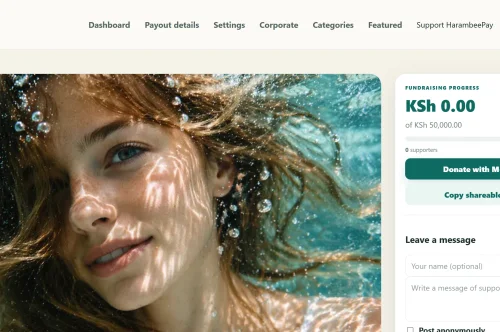
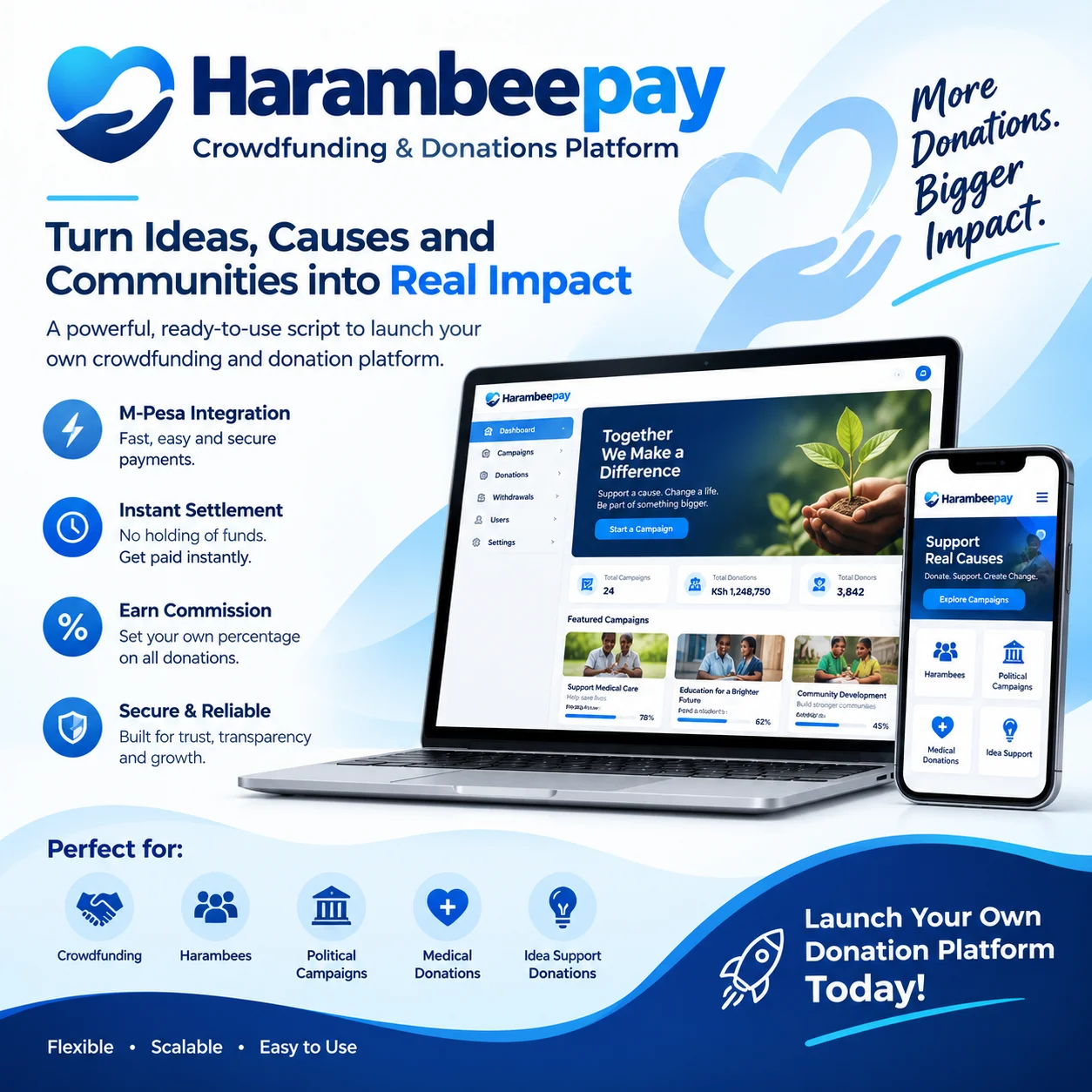
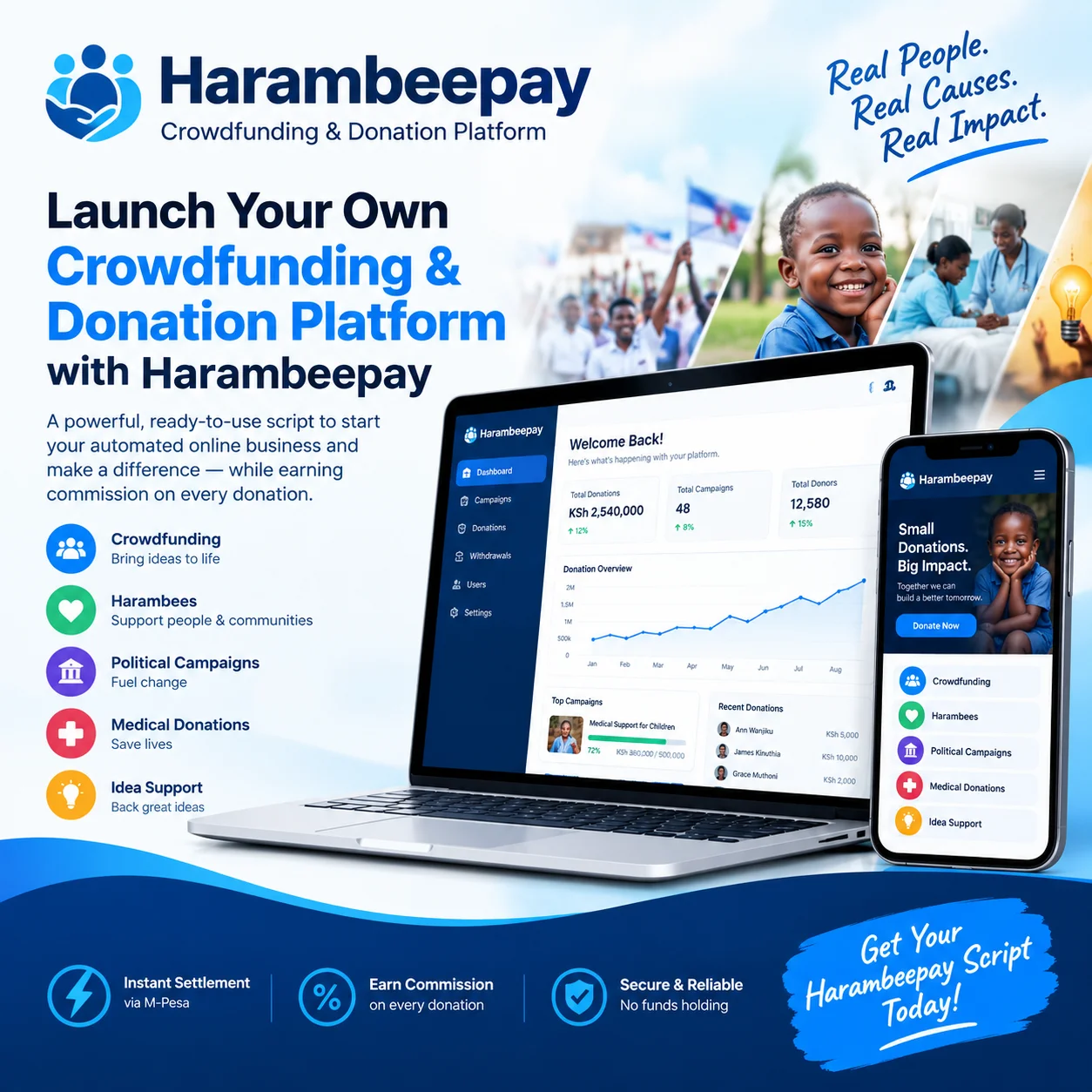
A good example is the HarambeePay Enterprise Fundraising & Crowdfunding Platform PHP script, a self-hosted, enterprise-grade crowdfunding engine built for exactly this purpose. Instead of spending months in development, you get a working platform with the core fundraising infrastructure already built — campaign creation, donor management, and M-Pesa/Daraja payment integration — so you can focus your energy on marketing, growth, and monetization from day one.
This "buy the engine, build the brand" approach is one of the fastest-growing paths to how to make money online in 2026, because it collapses your time-to-launch from months to days. You can:
- Deploy the script under your own domain and branding
- Set your own commission structure per campaign
- Target a specific country, cause, or community
- Resell the same script (with a license) to other entrepreneurs who want their own fundraising platform — turning it into a repeatable digital product business
4. Charge Transaction and Payment Processing Fees
Every donation that flows through your platform is an opportunity for a small percentage cut. If you integrate a local payment gateway like Safaricom's Daraja API for M-Pesa, you can combine your platform fee with a payment margin, creating two layers of revenue on the same transaction. In markets like Kenya, where mobile money dominates day-to-day payments, a fundraising platform with seamless M-Pesa checkout has a significant conversion advantage over international platforms that only support cards or PayPal.
5. Offer Campaign Management and Consulting Services
Not everyone who wants to run a fundraising campaign knows how to write compelling copy, set realistic goals, or promote their campaign on social media. This creates a service-based income opportunity: fundraising campaign consulting. You can charge a flat fee or a success-based commission to help NGOs, individuals, churches, or small businesses set up and market their campaigns — either on your own platform or on any major crowdfunding site. This pairs naturally with content marketing and SEO skills, since campaign visibility is often the single biggest factor in whether a fundraiser succeeds.
6. Affiliate and Referral Income
If you're not ready to build or buy your own platform, you can still earn from the fundraising space through affiliate marketing — recommending crowdfunding software, payment gateways, or fundraising tools to your audience and earning a commission on signups or sales. This is a well-established way to make money with SEO and content, and it requires no platform ownership or technical setup — just traffic and trust.
Is Starting a Crowdfunding Website Actually Profitable in 2026?
This is the long-tail question most people really want answered, and the honest answer is: it depends on your positioning, not the market. The overall crowdfunding sector is growing, but a generic "donate here" website with no niche, no marketing, and no payment convenience will struggle regardless of the year.
Profitability comes down to three factors:
- Niche focus — a platform built for a specific country, cause, or community converts better than a generic clone.
- Payment convenience — supporting the payment methods your audience actually uses (M-Pesa, bank transfer, cards) directly affects donation completion rates.
- Distribution — a platform is only as valuable as the campaigns on it, and campaigns only succeed if they get traffic. SEO, social sharing, and referral incentives matter as much as the software itself.
Realistically, a well-run niche fundraising platform with a modest but active user base can generate steady monthly revenue from platform fees alone, and that revenue scales directly with the number and size of campaigns hosted — without you needing to create the content or the causes yourself. That's what makes it an attractive passive-leaning online income model compared to something like blogging or freelancing, where your time is the direct input.
How Much Can You Realistically Earn?
Income from a fundraising platform depends heavily on transaction volume, but here's a simple way to think about it:
- If your platform charges a 5% fee and processes $10,000 in donations per month across all campaigns, that's $500/month in fee revenue.
- Add a small payment-processing margin (1–2%), and that same volume adds another $100–$200/month.
- As you add campaigns and grow donor trust, transaction volume — and therefore revenue — compounds without a proportional increase in your workload.
This is why niche and regional platforms, especially in underserved markets, can be surprisingly profitable even at modest scale: you're earning a percentage of money that was already going to move, you just built the rail it moves on.
Step-by-Step: How to Start Your Own Fundraising Platform Business
- Choose your niche. Decide whether you're targeting a country, a cause type, or a community (e.g., church fundraising, medical fundraising, student fees, disaster relief).
- Choose your technology path. Build custom (expensive, slow), use a SaaS crowdfunding builder (recurring fees, less control), or license a self-hosted crowdfunding script like HarambeePay for full ownership with no ongoing platform fees to a third party.
- Set up local payment integration. For African markets, M-Pesa via the Daraja API is essential; for global platforms, add card and bank transfer support.
- Define your fee structure. Decide your platform commission (typically 3–8%) and be transparent about it — trust is everything in fundraising.
- Build your SEO and content strategy. Use Moz's beginner's guide to SEO to structure your site around keywords your target campaigners are searching for — things like "how to raise money for medical bills" or "start a harambee online."
- Launch with seed campaigns. Partner with a handful of real causes at launch so the platform isn't empty on day one — social proof drives further sign-ups.
- Market relentlessly. Use social sharing incentives, referral bonuses for campaign creators, and affiliate partnerships to grow traffic without relying purely on paid ads.
- Reinvest in trust and security. Fundraising platforms handle real money — invest in fraud prevention, transparent payout policies, and clear terms, since FINRA's guidance on crowdfunding makes clear that trust and disclosure are central to any legitimate fundraising model, even outside formal securities crowdfunding.
Choosing the Right Fundraising Platform Software
If you're serious about turning this into an income stream rather than a side experiment, the software you launch on matters. Look for a platform script that includes:
- Self-hosted deployment (you own the code and the data)
- Local payment gateway support (M-Pesa/Daraja for African markets)
- Campaign management, donor dashboards, and payout tools built in
- A track record of security hardening and active updates
The HarambeePay crowdfunding platform script is built specifically around this use case — a complete, enterprise-ready PHP crowdfunding engine with M-Pesa/Daraja integration out of the box, making it a practical starting point for anyone who wants to launch a branded fundraising platform in 2026 without building the underlying technology from scratch.
Common Mistakes That Kill a Fundraising Platform Business
- Going too broad. Trying to compete directly with GoFundMe with no differentiation almost never works.
- Ignoring local payment methods. In markets where mobile money dominates, a card-only checkout page will kill your conversion rate.
- Launching without seed campaigns. An empty platform doesn't inspire trust or donations.
- Underpricing or overpricing fees. Too low and you can't sustain operations; too high and campaigners go elsewhere.
- Skipping SEO from day one. Every campaign page is a potential landing page for long-tail searches like "help me raise money for [specific cause]" — treat your platform as a content and SEO asset, not just software.
Frequently Asked Questions
Is a fundraising platform a good way to make money online in 2026?
Yes, particularly for a niche or regional platform with local payment integration. Revenue comes from transaction fees on every campaign, which can scale without a proportional increase in your workload.
Do I need to build my own crowdfunding software from scratch?
No. Many successful platform owners license a self-hosted crowdfunding script — such as the HarambeePay platform — rather than building custom software, cutting both cost and time to launch.
How do fundraising platforms make money?
Primarily through a percentage-based fee on donations processed, often combined with payment-processing margins and optional premium features for campaign creators.
Is starting an online fundraising business in Kenya or East Africa profitable?
The region's strong mobile money culture and the cultural tradition of harambee (community fundraising) make it a strong market for a platform with M-Pesa integration, since it removes the biggest friction point — payment convenience — that global platforms often ignore.
What's the fastest way to launch a fundraising platform?
Licensing an existing, production-ready crowdfunding script with payment integration already built in, rather than developing custom software or waiting on a development agency.
Final Thoughts
If you're still asking whether it's possible to make money with a fundraising platform in 2026, the market data, the growth of mobile payments, and the enduring human need to raise money for causes all point to the same answer: yes — provided you position your platform intelligently. The winners in this space aren't trying to be the next GoFundMe; they're building focused, well-marketed, locally optimized platforms that solve a specific fundraising problem for a specific audience.
Whether you build from scratch, license a proven script like HarambeePay, or start with affiliate and consulting income while you learn the space, a fundraising platform remains one of the more durable answers to the broader question of how to make money online in 2026 — because it's built on something that never really changes: people helping people.