


Toyota Vitz Kenya 2026: Price, Specs & Buyer's Guide
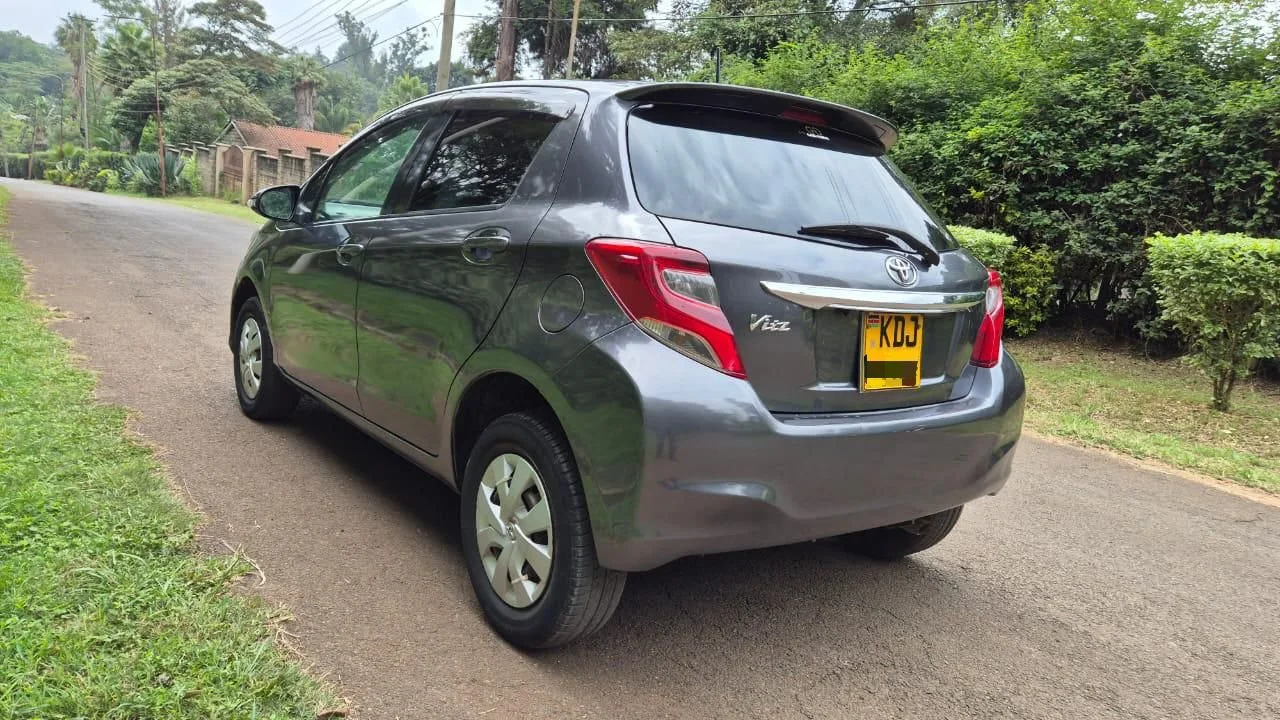
Toyota Vitz in Kenya 2026 — The Complete Buyer's Guide: Price, Specs, Fresh Import vs Locally Used
Everything you need to know before buying a Toyota Vitz in Kenya — from price ranges and engine variants to importing from Japan and inspecting a locally used unit. Find Toyota Vitz listings in Nairobi and all 47 counties on Sana List.
The Toyota Vitz is, without question, one of the most popular used cars in Kenya. Search any classified ads platform — Sana List, Jiji Kenya, or any free classified ads site in Kenya — and the Toyota Vitz consistently dominates listings across all price ranges and regions. From first-time buyers in Nairobi looking for a budget hatchback to experienced drivers who value Toyota's legendary reliability, the Vitz appeals to a remarkably wide audience. This guide gives you every piece of information you need to buy one wisely.
Whether you are considering a fresh import from Japan, a locally used unit from a private seller, or browsing free classified ads online in Kenya to find the best deal, this article covers the full picture — from pricing and specifications to NTSA registration, KRA import duty, and exactly what to inspect before you part with a single shilling.
Table of Contents
- Why the Toyota Vitz is Kenya's Favourite Hatchback
- Toyota Vitz Generations and Models in Kenya
- Engine Options and Fuel Consumption
- Toyota Vitz Price in Kenya 2026
- Buying a Fresh Import Toyota Vitz from Japan
- KRA Import Duty and Total Landing Cost
- Buying a Locally Used Toyota Vitz in Kenya
- What to Inspect Before Buying
- NTSA Registration and Transfer of Ownership
- Where to Find Toyota Vitz for Sale Online in Kenya
- Toyota Vitz vs. Its Competitors in Kenya
- Frequently Asked Questions
Why the Toyota Vitz is Kenya's Favourite Hatchback
There are hundreds of car models available in the Kenyan used car market. The Toyota Vitz consistently outsells and out-searches most of them. This is not a coincidence — it is the product of a very specific alignment between what the Vitz offers and what the majority of Kenyan car buyers actually need.
Exceptional Fuel Economy
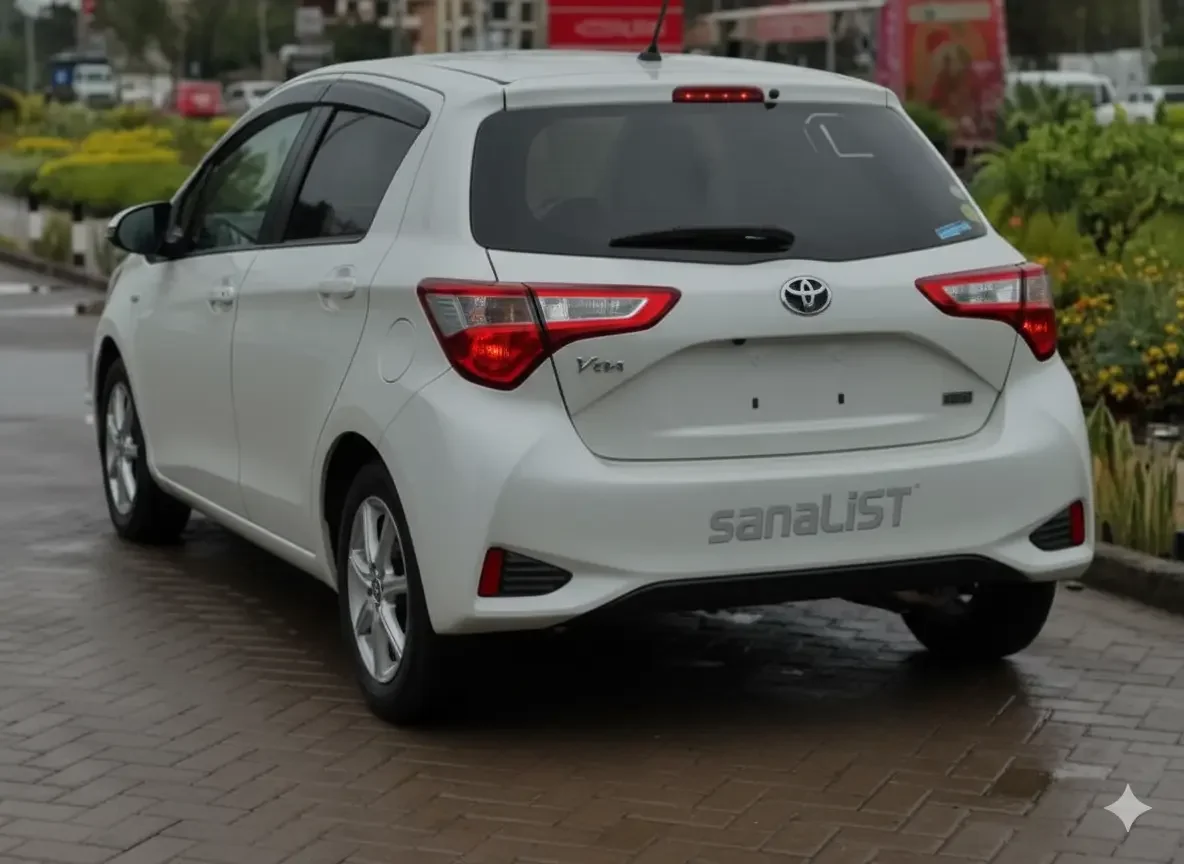
With petrol prices in Kenya regularly exceeding KSh 180 per litre, fuel economy is not a luxury preference — it is a financial necessity for most car owners. The Toyota Vitz 1000cc returns 18–22 km/l in mixed city and highway driving, and the hybrid variant pushes this to 20–30 km/l under the same conditions. For a driver covering 40 kilometres per day in Nairobi's stop-start traffic, the difference between a Vitz and a less efficient car can represent savings of KSh 3,000 to KSh 6,000 per month on fuel alone — a significant amount over a year of ownership.
Toyota Reliability — The Most Important Factor
Toyota's global reputation for reliability is particularly meaningful in the Kenyan context, where road conditions vary significantly, service intervals are critical, and access to specialist workshops outside Nairobi and major towns can be limited. The Vitz's engines — particularly the 1NR-FE and 1KR-FE — are among the most durable, least problematic small petrol engines Toyota has ever produced. Mechanics across Kenya are deeply familiar with these engines, spare parts are widely available at competitive prices, and the cars regularly exceed 300,000 kilometres when properly maintained.
Compact Size for Urban Kenya
Nairobi's roads present a practical challenge that larger car owners know well: narrow side roads in estates like Ngong Road, Eastleigh, and South B; congested town centres in Mombasa, Kisumu, and Nakuru; and parking spaces designed for an era of smaller vehicles. The Vitz's compact footprint — approximately 3.9 metres in length — makes it genuinely easier to park, navigate through traffic, and manoeuvre in tight spaces. This is not a small advantage; it translates to reduced daily stress and faster journey times in heavy urban traffic.
Strong Resale Value
Buying a Vitz is not just a purchase decision — it is an investment decision. Toyota hatchbacks, particularly the Vitz and its successor the Yaris, hold their value better than most equivalent-priced cars in Kenya's used car market. A well-maintained 2015 Vitz purchased for KSh 800,000 will still attract serious buyers at KSh 600,000 to KSh 700,000 three years later, compared to lesser-known brands that can depreciate by 40–50% over the same period. For buyers who plan to upgrade their car every three to five years, the Vitz's residual value is a real financial benefit.
Widely Available Spare Parts
The Toyota Vitz has been sold in enormous volumes in Japan, the United Kingdom, and other right-hand-drive markets for over two decades. This means the Kenyan market is saturated with genuine and aftermarket spare parts at every price point. From Kirinyaga Road in Nairobi's CBD to spare parts dealers in Kisumu's Kondele and Mombasa's Kongowea, finding a Vitz alternator, brake pad, shock absorber, or timing belt is rarely difficult or expensive. This accessibility dramatically reduces the total cost of ownership compared to less common models.
Toyota Vitz Generations and Models Available in Kenya
The Toyota Vitz has gone through three major generations, all of which are represented in Kenya's used car market. Understanding the differences between generations helps buyers make a more informed decision based on budget, features, and intended use.
Within the third generation (P130), two trim levels are particularly common in Kenya: the F trim, which is the base specification with standard features, and the Jewela trim, which adds alloy wheels, a premium audio system, push-start ignition, reverse camera, and a more refined interior. Buyers willing to pay a small premium for the Jewela trim generally find it holds its resale value better and provides a noticeably more comfortable experience.
Note that Toyota discontinued the Vitz name globally in 2019, replacing it with the Toyota Yaris name used internationally. The XP210 Yaris is the current model sold as a fresh import to Kenya, and it shares the same fundamental DNA as the Vitz that preceded it.
Toyota Vitz Engine Options and Fuel Consumption in Kenya
Understanding the engine options available helps you match your choice to your driving needs, budget, and preferred fuel consumption profile.
1000cc — 1KR-FE Engine
The most widely available Vitz engine in Kenya. The 1.0-litre three-cylinder petrol unit produces approximately 69 horsepower. It is well-suited for city commuting and light highway use. Fuel consumption of 18–22 km/l in mixed driving makes it one of the most economical petrol-powered cars available in Kenya under KSh 1 million.
Best for: First-time buyers, city use, tight budgets
1300cc — 1NR-FE Engine
The 1.3-litre four-cylinder engine produces approximately 95 horsepower — noticeably more responsive on highways and when carrying passengers. Fuel consumption is 14–18 km/l in mixed driving. This variant is preferred by buyers who regularly drive outside Nairobi and need a more confident performance on the Thika, Mombasa, or Nakuru highways.
Best for: Mixed city and upcountry driving
1500cc Hybrid
The Vitz Hybrid combines a 1.5-litre petrol engine with an electric motor and a nickel-metal hydride battery pack under the rear seat. The result is remarkable fuel efficiency of 20–30 km/l in mixed conditions. For Uber, Bolt, and other ride-hailing drivers clocking high daily mileage in Nairobi traffic, the hybrid's fuel savings often justify the higher purchase price within 18–24 months of ownership.
Best for: High-mileage drivers, ride-hailing, fuel savings
Toyota Vitz Price in Kenya 2026 — Complete Price Guide by Year and Variant
Toyota Vitz prices in Kenya span a wide range depending on the year of manufacture, engine size, trim level, condition (locally used vs fresh import), and mileage. The following table provides a realistic guide to current market pricing as of 2026.
Note on Pricing
These are indicative market prices based on current listings. Actual prices depend on mileage, condition, accident history, trim level, and seller negotiability. Always compare multiple listings on Sana List and other platforms before making an offer.
Buying a Fresh Import Toyota Vitz from Japan — Step-by-Step Process
A significant proportion of Toyota Vitz units currently on sale in Kenya arrived as fresh imports — vehicles that were previously used in Japan or the United Kingdom and imported to Kenya through licensed dealers or direct importers. Understanding the import process helps you buy from importers with confidence and avoid being overcharged or misled.
Step 1: Source a Vehicle from Japan or the UK
The majority of fresh imports to Kenya originate from Japan, which has a well-regulated second-hand vehicle export industry. Japanese cars sold domestically are subject to strict annual roadworthiness inspections (the Shaken system), meaning even used vehicles are generally well-maintained. The UK is a secondary source market, particularly for right-hand-drive vehicles with full service histories. Importers in Kenya source from online Japanese auction platforms such as BE FORWARD and Trade Car View, or work with established export dealers. Private importers can use the same platforms directly, but should exercise caution and use an experienced clearing agent.
Step 2: Verify the Vehicle Age Requirement
Kenya imposes a strict maximum vehicle age limit. As of 2026, Kenya Bureau of Standards (KEBS) regulations permit the importation of vehicles manufactured within the last 8 years only. For 2026, this means the oldest Toyota Vitz you can legally import must be a 2017 model or newer. Any vehicle older than 8 years will be rejected at the port of Mombasa. Always confirm the year of manufacture — not just the year of registration — before committing to an import.
Step 3: Pre-Shipment Inspection by a KEBS-Approved Agent
Before the vehicle leaves Japan or the UK, it must undergo a mandatory pre-shipment inspection by a KEBS-approved inspection agency. This inspection costs between USD 150 and USD 250 and verifies that the vehicle meets Kenyan standards. A Certificate of Conformity (CoC) is issued upon passing. Without a valid CoC, the vehicle will not be cleared at the port of Mombasa. This step is non-negotiable and cannot be skipped or substituted by a local inspection after arrival.
Step 4: Shipping and Marine Insurance
The vehicle is then shipped by Roll-on Roll-off (RoRo) vessel to the port of Mombasa. Shipping costs from Japan to Mombasa typically range from USD 600 to USD 1,200 depending on vessel availability and global freight rates. Marine insurance — which covers the vehicle while at sea — is strongly recommended and required by most clearing agents. Always obtain marine insurance from a licensed Kenyan insurer before the vehicle departs.
Step 5: Port Clearance at Mombasa
Once the vessel docks at Mombasa, your licensed clearing agent handles the customs declaration process with the Kenya Revenue Authority (KRA). The agent submits the required documentation — import declaration, original invoice, CoC, packing list, and bill of lading — and KRA verifies and calculates the applicable duties and taxes. Port charges, SGR transport, verification, Interpol, and radiation fees add approximately KSh 160,800 to the port clearance cost, in addition to KRA duties.
Step 6: NTSA Registration
After clearing the port, the vehicle must be registered with the National Transport and Safety Authority (NTSA). Registration costs KSh 13,000 plus a KSh 800 NTSA sticker fee. Number plates and a Kenyan logbook are issued within 3–5 business days. Only after this step is the vehicle legally permitted on Kenyan roads.
Advantages of Buying a Fresh Import Vitz
- Lower mileage — Japanese domestic vehicles average 10,000–15,000 km per year
- Documented maintenance records from the Shaken inspection system
- Higher trim specifications than equivalent-age locally available units
- No local accident history — the vehicle has been driven on well-maintained roads
- Access to newer models with more modern safety and infotainment features
KRA Import Duty on Toyota Vitz — What You Will Pay in 2026
Understanding how Kenya Revenue Authority calculates import duty is essential to budgeting accurately for a fresh import Toyota Vitz. The calculation is based on the Current Retail Selling Price (CRSP) — a benchmark value set by KRA for each vehicle model, updated periodically to reflect market rates.
As of July 2026, KRA implemented a new CRSP schedule that substantially revised valuations for compact imports including the Toyota Vitz. The Vitz Hybrid F, for example, now carries a CRSP of approximately KSh 3,440,622 — a significant increase from previous valuations that has raised the import duty burden for hybrid variants considerably. This has made locally used hybrid Vitz units comparatively more attractive to cost-conscious buyers.
The total import duty calculation includes the following components applied to the customs value:
To get an accurate, up-to-date estimate before committing to an import, use the KRA Import Duty Calculator at AutoProto Kenya or consult the KRA official portal directly. For a 2014 Toyota Vitz, import duty payable is approximately KSh 228,500 based on current CRSP rates — but this changes with KRA schedule updates, so always verify before shipping.
Buying a Locally Used Toyota Vitz in Kenya
Purchasing a locally used Toyota Vitz — one that has been registered in Kenya and driven on Kenyan roads — is the most accessible and affordable route to ownership for the majority of buyers. Prices are lower, there are no import logistics to manage, and the transaction can be completed entirely within Kenya. However, buying locally used requires significantly more due diligence than buying a documented fresh import.
Where to Find Locally Used Toyota Vitz for Sale
The primary channels for finding a locally used Toyota Vitz in Kenya are:
- Online classified ads platforms — Platforms like Sana List, which offers free, unlimited car listings across all 47 counties with no hidden charges or mandatory upgrades. Unlike some platforms where free listings are buried, Sana List gives every seller equal visibility. Other platforms include Jiji Kenya, which currently lists 600+ Toyota Vitz units, though free listings on Jiji are subject to category limits and visibility restrictions that may require paid boosts.
- WhatsApp buy-and-sell groups — Nairobi and major town WhatsApp groups dedicated to car sales circulate listings rapidly. These are useful for finding cars sold by direct owners without dealer margins.
- Car bazaars and open-air markets — Ngong Road, Globe Cinema Roundabout, and similar physical locations in Nairobi where sellers bring vehicles for direct inspection. The advantage is seeing multiple cars in one visit; the risk is that documentation verification requires extra effort.
- Word of mouth and dealer networks — Small independent dealers across Nairobi, Mombasa, and Nakuru often have locally used Vitz units. Established dealers typically offer basic warranties or return policies that private sellers do not.
Advantages and Risks of Buying Locally Used
Advantages
- Lower total cost — no import duty or shipping charges
- Immediate availability — no waiting weeks for shipping
- Can inspect and test drive before committing
- Transfer of ownership done locally at NTSA
- May come with existing Kenyan insurance and servicing records
Risks
- Higher mileage than equivalent-year fresh imports
- Incomplete or unavailable service records
- Past accidents may have been repaired and disguised
- Some sellers try to avoid disclosure of known faults
- Logbook disputes or encumbrances not always visible to buyer
What to Inspect Before Buying a Toyota Vitz in Kenya
Whether you are buying a fresh import or a locally used unit, a thorough pre-purchase inspection is the single most important step in protecting your investment. Do not skip it regardless of how genuine the seller appears.
Engine Bay
Start the engine cold and listen for unusual noises during the first 30 seconds. Check for oil leaks around the engine block, rocker cover, and sump. Inspect the coolant reservoir for oil contamination — a milky or discoloured coolant can indicate a blown head gasket, which is an expensive repair. Check the condition of belts, hoses, and the air filter for signs of neglect.
Body and Panel Work
Walk around the entire car in daylight and look for paint colour mismatches between panels, which indicate accident repair. Check panel gaps — they should be consistent and even. Press lightly on each door and panel to feel for filler under the paint. Inspect the underside for rust, especially around the wheel arches, sills, and chassis rails — a problem on older Kenyan-registered units that have been driven on wet murram roads.
Interior and Electronics
Test every electronic function: all windows, air conditioning, radio and audio system, reverse camera if equipped, dashboard warning lights (they should all clear after ignition), and all interior lights. Test the touchscreen and push-start if the vehicle has them. Ensure the air conditioning blows cold — Vitz AC systems are generally reliable but re-gassing is a cost buyers often overlook.
Test Drive
Always insist on a test drive before agreeing to purchase. Test the gearbox for smooth engagement in all positions (D, R, N, 2, L for automatics). Listen for suspension noise over bumps. Test the brakes firmly at low speed in a safe area — they should pull up straight without vibration. Check for steering pull to one side, which can indicate wheel alignment problems or a bent chassis from a previous accident.
Logbook and NTSA Verification
Verify the logbook at the NTSA self-service portal before agreeing to any purchase. Confirm that the chassis number on the logbook matches the physical number stamped on the vehicle (found on the dashboard near the windscreen and on the firewall in the engine bay). Check that the seller's name matches the logbook, and that there are no outstanding fines, loans, or encumbrances registered against the vehicle.
Independent Mechanic Inspection
For any purchase above KSh 600,000, arrange for a trusted independent mechanic to inspect the vehicle before you pay. A comprehensive inspection costs KSh 2,000 to KSh 5,000 at most workshops and can save you from buying a car with concealed engine or transmission problems that would cost multiples of that amount to repair.
NTSA Transfer of Ownership and Registration in Kenya
Once you have agreed on a price and completed your inspections, the final step is the legal transfer of vehicle ownership through the National Transport and Safety Authority (NTSA). This process registers the vehicle under your name and legally entitles you to use it on Kenyan roads.
The transfer process requires the following from both parties:
- Original vehicle logbook
- National ID or passport of both seller and buyer
- KRA PIN certificates of both parties
- Valid insurance certificate for the vehicle
- Payment of transfer fee (approximately KSh 3,000 to KSh 5,000 depending on vehicle value)
- Completion of the NTSA transfer form through the NTSA TIMS online portal
The process typically takes 3 to 7 business days when all documentation is in order. Never take possession of a vehicle and drive it before the transfer is completed — insurance and legal liability follow the logbook name, and an untransferred vehicle creates significant legal risk for the buyer in the event of an accident.
Where to Find Toyota Vitz for Sale Online in Kenya
The shift to buying and selling cars online in Kenya has been dramatic. The majority of used car transactions in Kenya now begin with an online search — buyers researching options, comparing prices, and contacting sellers before ever visiting a vehicle in person. Understanding which platforms to use, and how they differ, helps you find the best deal more efficiently.
Sana List — Free Classified Ads for Used Cars in Kenya
Sana List (sanalist.co.ke) is one of Kenya's fastest-growing free classified ads platforms, built specifically to give sellers unlimited, cost-free visibility and buyers a clean, uncluttered browsing experience. Unlike platforms that restrict free listings through per-category ad limits, mandatory paid boosts, or forced expiry timers, Sana List allows any seller to post as many used car listings as they need with no restrictions and no fees. This makes it particularly valuable for finding Toyota Vitz units listed directly by owners — without dealer mark-ups. Sana List covers all 47 Kenyan counties, including Nairobi, Mombasa, Kisumu, Nakuru, Eldoret, and Meru.
You can find Toyota Vitz listings — as well as other popular used cars — in the following sections:
Other Platforms for Used Cars in Kenya
Jiji Kenya is the largest established classified ads platform in Kenya by traffic volume and currently lists over 600 Toyota Vitz units. It is a valuable search starting point, though free listings are subject to category limits and sellers must pay for boosted visibility in competitive categories. For sellers looking for a platform with no such restrictions, Sana List's genuinely free and unlimited listing model offers a compelling alternative — particularly for private sellers listing a single vehicle.
Toyota Vitz vs. Its Main Competitors in Kenya
The Toyota Vitz does not exist in isolation. Understanding how it compares to its direct competitors helps buyers confirm they are making the right choice — or identify when an alternative might better suit their needs.
The Vitz's competitive advantage is clearest in three areas: parts availability, resale value, and the hybrid option. For buyers who prioritise minimising running costs and maximising future sale price, the Vitz remains the strongest choice in its class in Kenya. For buyers who prioritise driving engagement and interior quality, the Mazda Demio is a worthy alternative — see Mazda listings on Sana List for comparison.
Frequently Asked Questions — Toyota Vitz Kenya 2026
Direct answers to the most commonly asked questions about buying a Toyota Vitz in Kenya — structured for Google featured snippets and AI answer engines.
How much does a Toyota Vitz cost in Kenya in 2026?
A Toyota Vitz in Kenya ranges from KSh 450,000 for older locally used 2007–2009 models to KSh 1,300,000 to KSh 1,600,000 for fresh import 2017–2019 hybrid variants. The 2020–2022 Toyota Yaris (successor to the Vitz) costs KSh 1,300,000 to KSh 2,200,000. Prices vary based on mileage, condition, trim level, and seller. Browse current listings on Sana List's Toyota cars section for up-to-date market pricing.
What is the fuel consumption of the Toyota Vitz in Kenya?
The 1000cc Vitz returns 18–22 km/l in mixed city and highway driving. The 1300cc returns 14–18 km/l. The hybrid 1500cc variant achieves 20–30 km/l — the most fuel-efficient option and ideal for high-mileage drivers in Nairobi's heavy traffic.
Is a fresh import Vitz better than a locally used one in Kenya?
Fresh imports generally have lower mileage, documented service histories, and newer specifications. However, the total cost is higher due to KRA import duty, shipping, clearance, and NTSA registration fees. Locally used units are more affordable and immediately available but require thorough inspection. The right choice depends on your budget, how long you plan to keep the car, and your tolerance for pre-purchase inspection risk.
What is the maximum vehicle age for importation to Kenya?
As of 2026, KEBS regulations restrict vehicle importation to cars manufactured within the last 8 years. For 2026, this means the vehicle must be a 2017 model or newer. Vehicles older than 8 years will be refused entry at the port of Mombasa.
Is the Toyota Vitz good for Uber or Bolt in Nairobi?
Yes, particularly the hybrid variant. The Toyota Vitz Hybrid's 20–30 km/l fuel economy in city traffic translates directly into lower operating costs and higher net earnings per trip. The car's reliability, low maintenance costs, and widespread parts availability also reduce downtime. Most experienced ride-hailing drivers in Nairobi consider the Vitz Hybrid one of the top choices for full-time Uber or Bolt use.
Where can I find Toyota Vitz for sale online in Kenya for free?
Sana List (sanalist.co.ke) is one of Kenya's best platforms for finding used cars online — with free, unlimited listings posted by sellers across all 47 counties. Unlike some platforms that restrict free listings or require paid boosts for visibility, Sana List gives every listing equal, cost-free exposure. Jiji Kenya is also a major platform with a large Toyota Vitz inventory, though free tier limitations apply.
What documents do I need to transfer a car in Kenya?
To transfer vehicle ownership in Kenya via NTSA, you need: the original logbook, national ID or passport for both buyer and seller, KRA PIN certificates for both parties, a valid insurance certificate, and payment of the transfer fee. The process is completed online through the NTSA TIMS portal and typically takes 3–7 business days.
Further Reading and Useful Resources
Ready to Find Your Toyota Vitz in Kenya?
Browse Toyota Vitz and all used cars for sale across Kenya on Sana List — free, unlimited listings from verified sellers in all 47 counties. No hidden fees. No limits.
Toyota Cars Kenya · Used Cars Kenya · Safety Tips · Post a Free Ad · Contact