


Safest Way to Buy a Used Car in Kenya (2026 Guide) | sanaLIST
What Is the Safest Way to Buy a Used Car in Kenya? (Ultimate 2025 Guide)
How to avoid scams, get value for money, and use online platforms like sanaLIST safely
Quick Answer
The safest way to buy a used car in Kenya is to:
- Define your budget & needs (fuel type, usage, maintenance, resale).
- Search on reputable platforms like sanaLIST for verified used, new, and imported cars.
- Shortlist cars using filters (location, price, mileage, year, transmission).
- Verify the seller & car details (logbook, NTSA records, CRB checks, service history).
- Inspect the car physically with a trusted mechanic or professional inspection service.
- Do a test drive on mixed roads (bypass, town, bumps) and check for warning signs.
- Confirm ownership & unpaid liabilities (logbook search, police & NTSA checks).
- Use a secure payment method (no cash in car yards, use bank transfer / escrow).
- Sign a Sale Agreement and transfer ownership on NTSA TIMS before paying the full amount.
- Insure the car and keep all records (sale agreement, receipts, inspection report).
Using a trusted classifieds platform like sanaLIST to find used cars for sale in Kenya, second hand cars in Nairobi, or cheap cars in Kenya significantly reduces your risk and gives you more choice and transparency.
Why Safety Matters When Buying a Used Car in Kenya
Kenya’s car market is heavily driven by second-hand and imported used Japanese cars (Toyota, Nissan, Mazda, Subaru, Honda). Search data shows very high intent for:
- “Used cars for sale in Kenya”
- “Second hand cars in Kenya”
- “Cheap cars in Kenya”
- “Cars for sale in Nairobi”
- “Toyota cars for sale in Kenya” (Vitz, Fielder, Probox, Premio, etc.)
Where there is high demand, scammers, clocked mileage, stolen units and accident-write-offs also exist. That’s why having a clear, safe process matters more than ever.
Platforms like sanaLIST make it easier to compare prices, check multiple options, and verify sellers – but you still need a step-by-step safety checklist.
Step 1: Define Your Budget & What You Really Need
Before you even search cars for sale in Kenya, get clear on:
1. Your Total Budget (Not Just Buying Price)
Include:
- Purchase price
- Transfer fees (NTSA TIMS)
- Insurance (Third Party vs Comprehensive)
- Initial service (oil, filters, plugs, ATF, tyres)
- New number plates (if changing)
- Valuation fee
- Estimate for minor repairs
Tip: For “cheap cars in Kenya”, have at least KSh 80k–150k aside on top of the buying price for these extras.
2. Your Use Case
- City + short commutes (Nairobi, Mombasa, Kisumu):
Toyota Vitz, Mazda Demio, Honda Fit – small, fuel-efficient. - Family car / 7-seater:
Toyota Noah, Voxy, Wish. - Business / delivery:
Toyota Probox, Succeed. - Highway travel / upcountry:
Toyota Fielder, Premio, Allion, Nissan X‑Trail, Subaru Forester.
Know your use case and search deliberately on platforms like sanaLIST instead of just “best cheap car”.
Step 2: Search Safely Online Using Trusted Platforms (Like sanaLIST)
Why Use an Online Classifieds Site?
Reputable marketplaces like sanaLIST, Jiji Kenya, PigiaMe Kenya, OLX Kenya, Magari.com lets you:
- Access hundreds of listings for used cars, new cars, and imported cars in Kenya.
- Filter by location (e.g. Nairobi, Mombasa, Nakuru), price, make, mileage, year.
- Compare market prices quickly to avoid being overcharged.
- Check seller ratings/reviews (where available).
Smart Search Phrases That Match Kenyan Buyers
People in Kenya often search:
- “Used cars for sale in Kenya”
- “Second hand cars in Kenya”
- “Cars for sale in Nairobi”
- “Cheap cars in Nairobi”
- “Toyota Vitz for sale in Kenya”
- “Toyota Fielder for sale in Kenya”
- “Toyota Probox for sale in Kenya”
On sanaLIST, structure your search like this:
- Category: Cars
- Type: Used / New / Imported
- Location: e.g. Nairobi / Mombasa / Kisumu / Eldoret
- Make/Model: e.g. Toyota Vitz, Fielder, Premio, Probox, Noah, Voxy
- Price Range: based on your budget
- Transmission / Fuel: Auto/manual, Petrol/diesel/hybrid
This narrows you down to realistic, relevant, and safe options.
Step 3: Shortlist & Pre‑Screen Cars Before Viewing
Before you move from online to offline:
A. Check Listing Details Carefully
On sanaLIST, evaluate:
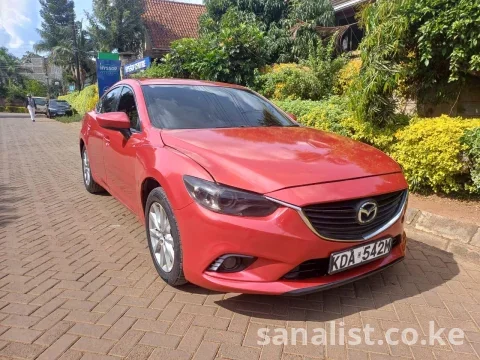
- Photos:
- Is the car photographed from multiple angles?
- Clear interior, engine bay, odometer, boot?
- Any obvious signs of accident repair or repaint?
- Is the car photographed from multiple angles?
- Description:
- Year of manufacture & registration
- Genuine mileage (check for suspiciously low figures)
- Service history (Toyota Kenya / CMC / DT Dobie / trusted garages)
- Ownership: 1st owner / 2nd owner / company car
- Import details if “just imported” (year of import, mileage on arrival)
B. Pre‑Screen the Seller
- Do they answer clearly on phone or WhatsApp?
- Are they willing to meet at a public, safe location (yard, office, petrol station)?
- Are they open to:
- Mechanic inspection
- Logbook verification
- NTSA search
- Test drive
If a seller on or off sanaLIST refuses inspection or pushes for quick payment, step away.
Step 4: Verify the Car & Seller Before Any Payment
This is where most buyers in Kenya get conned if they’re not careful.
1. Confirm the Logbook
Ask for:
- Original logbook (not a photocopy).
- ID of the logbook owner (if it’s an individual).
- If it’s a company car – company PIN Certificate and letter authorizing sale.
Check:
- Name on logbook vs ID vs seller.
- Chassis number on logbook vs chassis number on car (usually in engine bay or door pillar).
- Engine number where possible.
2. Do an NTSA TIMS Search
On NTSA TIMS:
- Verify ownership details.
- Check for any pending charges (e.g. loan/charge by a bank or Sacco).
- Confirm if number plates match the records (beware cloned plates).
Do this before depositing any money.
3. CRB & Finance Check (If Seller Claims It’s “Clear”)
If the seller says the car is “loan-free”:
- Ask directly:
- “Has this car ever been financed by a bank or Sacco?”
- Check for any active charges in NTSA.
- If buying from a dealer, ask for a release letter from the bank if it was previously financed.
Step 5: Physical Inspection – Never Skip This
Even the best listing on sanaLIST still needs a physical check.
A. Always Bring a Mechanic or Inspector
A small inspection fee (KSh 3k–10k) can save you hundreds of thousands.
Ask them to check:
- Engine health (no unusual noise, smoke, leaks).
- Transmission (smooth shifting, no jerks).
- Suspension & steering (no rattles, car drives straight).
- Brakes (no pulling, no grinding noise).
- Underbody & chassis (no signs of accident repairs).
- Electronics (windows, locks, AC, radio, dashboard lights).
- Tyre condition and alignment.
B. Check For Accident / Write‑off Signs
- Uneven panel gaps (doors, bonnet, boot).
- Different shades of paint on different panels.
- Fresh welds or body filler.
- Airbags that have been removed or poorly replaced.
- “Check engine” or airbag warning lights on the dashboard.
If the car looks suspiciously “too new for the price”, be cautious. Accident-repaired imports are common in “cheap cars in Kenya”.
Step 6: Test Drive Properly (Not Just Around the Yard)
Insist on a proper test drive, not just 100 metres.
What to Test:
- Start the car from cold (first start of the day).
- Accelerate gently and then more firmly.
- Test braking at different speeds.
- Drive over bumps and uneven roads to listen for noises.
- Check how it behaves on a bypass or highway if possible.
- Turn the steering fully both sides – listen for knocking sounds.
- Watch the temperature gauge – it should not overheat.
- Confirm all gears engage smoothly (especially automatics).
If the seller refuses a test drive, that’s a red flag.
Step 7: Confirm Price Against Market Value
Use sanaLIST to compare:
- Similar make / model / year / mileage / condition.
- Compare prices in Nairobi vs Mombasa vs upcountry; Nairobi often has more competition and better deals.
Be wary if:
- The car is way cheaper than similar ones.
- The seller pushes urgency (“two other buyers are coming with cash at 3pm”).
In most cases, fairly priced used cars in Kenya fall within a narrow range. If it’s too cheap, question why.
Step 8: Secure, Traceable Payment (Never Cash in a Hurry)
To stay safe:
- Avoid carrying large cash to car yards or unknown locations.
- Use bank transfer or RTGS to the registered owner’s account, not an agent.
- If using an intermediary dealer, use:
- Escrow services, or
- A lawyer’s client account with a clear agreement.
- Only pay the full amount after:
- Successful NTSA search
- Signed sale agreement
- Seller has initiated ownership transfer on TIMS.
If a seller wants full payment before TIMS transfer, insist on at least a strong, witnessed agreement and partial payment until transfer is complete.
Step 9: Legal Documentation & Ownership Transfer
A. Draft & Sign a Sale Agreement
Have at least a basic Sale Agreement stating:
- Buyer’s full details (name, ID, PIN, contacts).
- Seller’s details (must match logbook owner).
- Vehicle details (Make, Model, Year, Reg No, Chassis No).
- Purchase price, deposit (if any), and balance.
- Condition of the car (sold “as is where is”).
- Date & place of sale.
- Signatures of both parties + witnesses.
Having a lawyer draft or review it gives extra safety.
B. NTSA TIMS Ownership Transfer
On NTSA TIMS:
- Seller initiates ownership transfer request.
- Buyer receives the transfer request and accepts.
- Pay applicable transfer fees.
- Wait for approval & issuance of new logbook.
Ideally, stay with the seller (or within reach) until this process is initiated and accepted.
Step 10: Insure, Service, and Keep Records
Once ownership is sorted:
- Insure the car
- Third Party for older, cheaper cars.
- Comprehensive for higher-value or financed vehicles.
- Do a full service: oil, filters, plugs, brake check, ATF (for autos).
- Keep copies of:
- Sale Agreement
- Payment receipts / bank slips
- NTSA transfer confirmation
- Inspection & valuation reports
- Insurance policy
This protects you in case of future disputes or claims.
How sanaLIST Helps You Buy a Used Car in Kenya Safely
As a Kenyan classified ads platform, sanaLIST is built around the needs of local car buyers and sellers who are actively searching for:
- Used cars for sale in Kenya
- Cars for sale in Nairobi, Mombasa, Kisumu, Eldoret, Nakuru
- Cheap cars in Kenya for first-time owners or small businesses
- Toyota cars for sale in Kenya and other popular Japanese models
- Imported cars in Kenya (fresh imports, low-mileage units)
Here’s how to use sanaLIST safely and effectively:
- Filter properly – by location, price, make, mileage, transmission, fuel type.
- Compare multiple listings – so you know the true market price.
- Check seller profiles – where available, look at activity, ratings, and how they respond.
- Communicate inside the platform first – then move to phone/WhatsApp if comfortable.
- Avoid off‑platform payment promises – keep records of all communication until the deal is done.
Using sanaLIST as your starting point reduces guesswork, speeds up your search, and helps you avoid being limited to just one yard or friend’s recommendation.
Common Scams & Red Flags in the Kenyan Used Car Market
Be extra careful if:
- The seller rushed you: “Come with cash now, someone else is taking it at 2pm.”
- The price is unrealistically low vs similar cars on sanaLIST.
- Seller refuses NTSA search, mechanic inspection, or logbook viewing.
- The person selling says, “I’m selling on behalf of the owner who is abroad / upcountry” – but won’t connect you to them.
- Payment is requested to a personal M‑Pesa or bank account that doesn’t match logbook owner.
- The logbook is “still at the bank” – but there’s no letter, no proof, no official trail.
If any of these occur, walk away. There will always be another car.
FAQ: Safest Way to Buy a Used Car in Kenya
1. Where is the best place to find used cars for sale in Kenya?
Use reputable platforms like sanaLIST, established car yards, and trusted dealers. Online classifieds give wide choice and better price comparison.
2. Are cheap cars in Kenya always risky?
Not always – but if the price is far below market, investigate thoroughly. It may be accident‑repaired, stolen, clocked, or have mechanical problems.
3. Why do most people search for Toyota Vitz, Fielder, Probox, Premio, Noah, Voxy?
Because Japanese used cars, especially Toyota, are known for reliability, fuel economy and available spare parts in Kenya. They dominate the second-hand market.
4. Is it safe to buy directly from an individual owner?
Yes, often safer and cheaper than some yards, if you verify:
- Logbook
- NTSA search
- Mechanic inspection
- Proper sale agreement and transfer.
5. Can I buy a car fully online in Kenya?
You can search and shortlist online (e.g., on sanaLIST), but always inspect, test drive, and verify ownership offline before paying.
Final Checklist: Safest Way to Buy a Used Car in Kenya
Before you send money, confirm you have:
- [ ] Verified car & owner on NTSA TIMS
- [ ] Seen the original logbook and ID / company documents
- [ ] Done a mechanic or professional inspection
- [ ] Completed a test drive on mixed roads
- [ ] Agreed on a fair, market‑based price
- [ ] Signed a Sale Agreement with witnesses
- [ ] Initiated or confirmed ownership transfer on TIMS
- [ ] Paid via secure, traceable bank transfer
- [ ] Arranged insurance and initial service
Use sanaLIST to start your journey:
- Find used cars for sale in Kenya
- Compare cheap cars in Nairobi and other towns
- Browse Toyota cars for sale in Kenya and other top Japanese brands
- Shortlist safely before you ever step into a yard.