



Used Cars for Sale in Kenya (2026) | Nairobi, Mombasa, Kisumu Deals – Sanalist
Searching for used cars for sale in Kenya is exciting… until you realise how many options (and risks) are in the market. From clean locally-owned units to freshly imported Japanese cars, Kenya has a huge variety—but the difference between a great deal and a costly mistake usually comes down to inspection, paperwork, and buying from the right seller.
This guide is a complete, Kenya-focused walkthrough for buying or selling a second-hand vehicle—plus how to use Sanalist, a Kenyan classified ads platform, to compare listings across counties and connect directly with sellers.
Why Kenyans buy used cars (and why classifieds win)
Used cars are popular in Kenya because they:
-
Cost much less than brand-new units (lower depreciation)
-
Offer more value (you can get higher trim/features on a used car)
-
Are easy to find nationwide through online classifieds
On Sanalist, you can browse thousands of listings by make, model, body type, county, price, transmission, fuel type, and contact sellers directly (no middleman). That’s a big advantage when you want the best price quickly—especially in competitive areas like Nairobi, Kiambu, Mombasa, Nakuru, Eldoret, Kisumu and more.
Used cars for sale in Kenya: realistic price bands (what to expect)
Instead of chasing “one price”, it’s smarter to shop by budget band (because condition and history matter more than year alone).
Under KSh 500,000: entry-level daily drivers
Best for: first car, short commutes, low running costs.
Common picks: compact hatchbacks, older saloons, older Probox/Succeed units.
KSh 500,000 – 1,000,000: Kenya’s “sweet spot”
Best for: reliable family use, ride-hailing, upcountry + town driving.
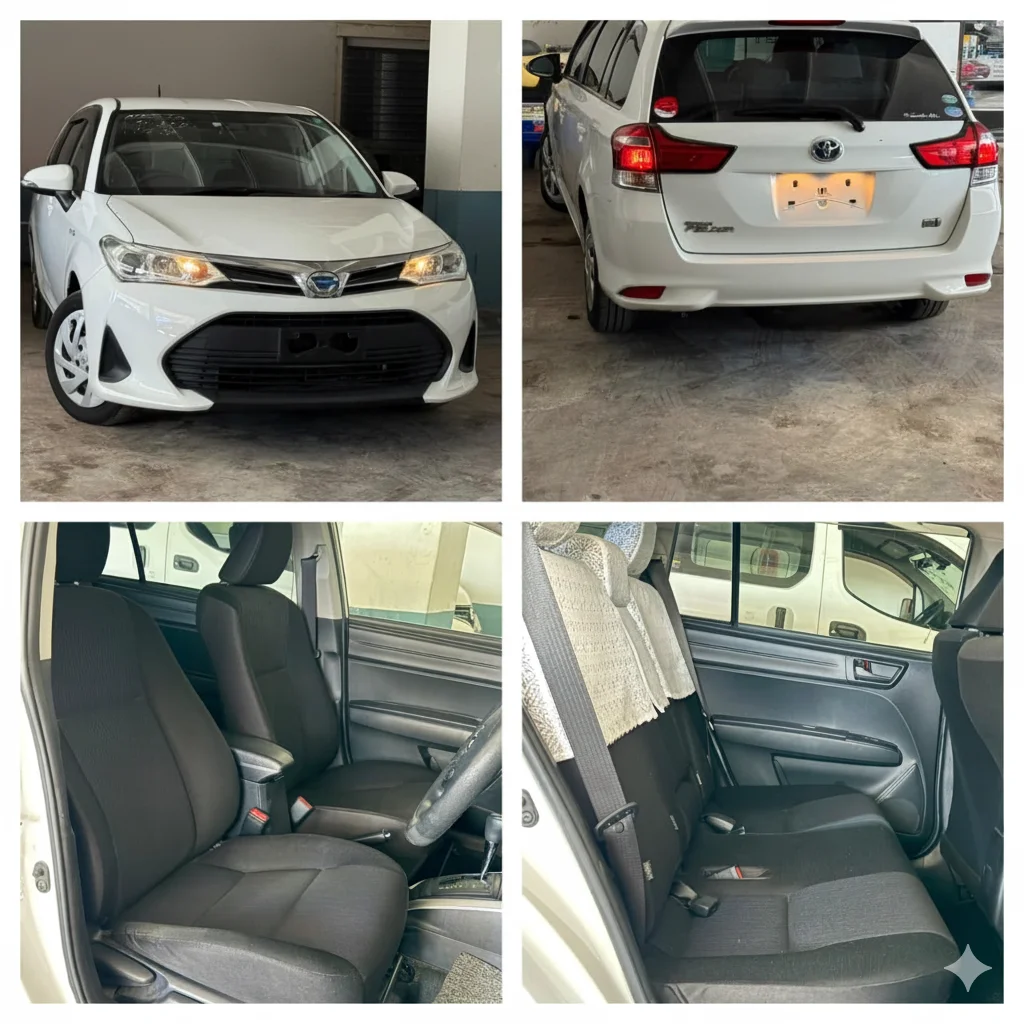
Common picks: Toyota Fielder/Axio, Honda Fit, Mazda Demio, Nissan Note, small SUVs.
KSh 1,000,000 – 2,000,000: comfort + stronger SUVs
Best for: long-distance travel, family, higher safety and comfort.
Common picks: Subaru Forester, Nissan X-Trail, Mazda CX-5, Toyota Harrier (older), Toyota Noah/Voxy.
KSh 2,000,000+: premium + big SUVs
Best for: executive comfort, off-road capability, prestige.
Common picks: Toyota Prado, Land Cruiser variants, newer Harrier, high-spec SUVs and pickups.
Important: In Kenya, price is heavily influenced by:
-
Accident history & repair quality
-
Mileage + service records
-
Import vs locally used
-
Engine size (affects fuel + some fees)
-
Ownership history (personal vs fleet/PSV)
-
Transmission condition (especially CVT)
Best used cars to buy in Kenya (by use case)
1) Best for low fuel consumption (city driving)
If fuel economy is your #1 concern, look for:
-
Small-engine hatchbacks and compacts
-
Clean service history
-
Good tyres and correct tire pressure
-
Properly maintained CVT (if applicable)
Buying tip: If the car has a CVT gearbox, insist on a smooth test drive with no jerking, slipping, or delayed response.
2) Best for families
A “family car” in Kenya usually means:
-
More boot space
-
Rear-seat comfort
-
Better ground clearance for bumps and rough roads
Common family-friendly choices include station wagons and mid-size SUVs—just confirm suspension and undercarriage condition.
3) Best for biashara / delivery / work
For business use (deliveries, rural roads, frequent loads), focus on:
-
Simple mechanics
-
Strong suspension
-
Affordable parts availability
Many Kenyans prefer practical wagons/vans/pickups because they’re easier to maintain and resell.
4) Best for rough roads / upcountry
If you travel upcountry often, prioritise:
-
Higher ground clearance
-
Good tyres + healthy suspension
-
Solid cooling system (radiator, fan, hoses)
-
No underbody rust and no leaks
Imported vs locally used cars in Kenya: which is better?
Imported cars (commonly from Japan)
Pros:
-
Often cleaner interior/exterior
-
Sometimes lower mileage
-
More trim options
Cons:
-
Import taxes/fees can raise total cost
-
You must understand compliance rules
Kenya’s import process has compliance requirements handled under official systems. KRA provides official guidance on motor vehicle importation procedures.
Also, KEBS enforces an 8-year age limit on used vehicle imports based on the Year of First Registration (YoR) under KS 1515:2000, and KEBS has issued public notices on this requirement.
Locally used cars
Pros:
-
You can inspect physically before buying
-
Easier to verify local service history (if owner has records)
-
Faster ownership transfer when paperwork is clean
Cons:
-
Some units have been driven on rough roads
-
Risk of “patch-up repairs” if you don’t inspect well
Verdict: Both can be great. The safest choice is the one with clean documents + clean inspection results—not the one with the sweetest story.
Where to find used cars for sale in Kenya (and why Sanalist is useful)
You’ll generally find second-hand vehicles from:
-
Private owners (often the best bargains)
-
Dealers / yards
-
Importers (fresh arrivals)
-
Auctions (can be cheaper but requires experience)
On sanaLIST, the advantage is choice and speed:
-
Compare multiple sellers for the same model
-
Filter by your county and budget
-
Negotiate directly
-
Post your own “wanted” request (if your platform supports it)
The most important step: do an NTSA motor vehicle search before paying
Before you commit to any deal, do an official motor vehicle search on the NTSA service portal via eCitizen to verify ownership details and records. NTSA consolidates vehicle services on its official portal accessed using eCitizen credentials.
Kenyan media guides commonly cite the motor vehicle search fee as KSh 550 on the eCitizen/NTSA service.
Never skip this. It’s one of the cheapest ways to avoid fraud.
Ownership transfer in Kenya: what buyers must know (TIMS/eCitizen)
After purchase, ownership transfer is done digitally through NTSA’s TIMS/eCitizen process. NTSA vehicle services (including ownership transfer) are accessed through the official portal.
Also note the commonly communicated requirement that transfers should be completed within 14 days of sale to comply with the law and avoid penalties.
Buyer rule: Don’t “drive it first, transfer later.” If anything happens while it’s still in the seller’s name, it becomes messy fast.
Used car inspection checklist Kenya (print this before you view a car)
When shopping used cars for sale in Kenya, treat inspection like a job interview: the car must prove itself.
A) Documents & identity checks
-
Seller’s ID matches the name on records/logbook (verify carefully)
-
Confirm chassis and engine numbers match the documents
-
Confirm there is no ownership dispute
-
Confirm any loans/financing obligations are disclosed (if applicable)
B) Exterior and body
-
Check colour consistency (signs of panel replacement)
-
Inspect doors/boot alignment (accident clues)
-
Look for overspray paint on rubber trims
-
Check windscreen for cracks (replacement costs add up)
C) Engine bay (open the bonnet)
-
Oil leaks around engine and gearbox
-
Milky oil (possible coolant mixing)
-
Coolant colour and level (rusty coolant is a red flag)
-
Engine mounts and vibration at idle
D) Suspension + undercarriage
-
Knock sounds on bumps during test drive
-
Uneven tyre wear (alignment/suspension issues)
-
Oil leaks from shocks
-
Rust on underbody (especially on imports near coastal areas)
E) Transmission test (very important)
-
Automatic: smooth shifts, no delayed engagement
-
CVT: no jerking, no whining, no slipping
-
Manual: clutch bite point not too high, gears not grinding
F) Electronics & interior
-
AC blows cold
-
Windows, mirrors, locks work
-
Dash warning lights (don’t ignore)
-
Audio, reverse camera, sensors (if installed)
G) Road test checklist (minimum 15–20 minutes)
-
Cold start (hard starting can signal deeper issues)
-
Steering should not pull to one side
-
Braking should be straight, no steering vibration
-
Engine temperature stays stable
Pro tip: If you’re not confident, pay a trusted mechanic to inspect. It’s cheaper than replacing an engine.
Hidden costs when buying a used car in Kenya (budget beyond the sticker price)
Many buyers plan only for the car price—then struggle immediately after purchase. Budget for:
-
Transfer fees + paperwork
-
Insurance (at least third-party; comprehensive for higher-value cars)
-
Immediate service (oil, filters, plugs, CVT fluid if needed)
-
Tyres (often the first surprise cost)
-
Battery replacement (common on used units)
If you’re buying an import, include clearance/registration-related costs as guided by official KRA import procedures.
Avoid common scams in Kenya’s used car market
If you’ve searched “used cars for sale in Kenya” for long enough, you’ve seen suspicious deals. Watch out for:
1) “Deposit first, view later”
Refuse. Real sellers allow viewing. Use safe meetups and pay only after verification.
2) Fake logbooks / inconsistent details
Always cross-check details through an official motor vehicle search.
3) “I’m selling for my cousin / boss / relative”
Not always a scam, but insist the real owner participates, especially for transfer.
4) Unrealistically cheap “quick sale”
Sometimes genuine… often bait. Double your due diligence.
How to find the best deals on Sanalist (buyer strategy)
Here’s a practical approach that works:
-
Search “Used cars for sale in Kenya” on Sanalist and filter by:
-
Budget
-
County (Nairobi, Kiambu, Mombasa, Nakuru, Kisumu, Eldoret, etc.)
-
Transmission (auto/manual)
-
Fuel type (petrol/diesel/hybrid)
-
-
Shortlist 5–10 listings of the same model.
-
Compare:
-
Mileage
-
Condition notes
-
Photos quality (serious sellers post clear photos)
-
Price consistency (spot overpriced or suspiciously cheap units)
-
-
Message sellers with the same questions:
-
Is the car still available?
-
Are you the owner?
-
Any accidents/major repairs?
-
Any warning lights?
-
When was it last serviced?
-
Can we do a motor vehicle search and inspection?
-
Selling a used car fast in Kenya on Sanalist (seller tips)
If you’re posting on Sanalist, your ad needs to answer buyer questions instantly.
What to include in your listing
-
Make, model, year
-
Engine size + fuel type
-
Transmission
-
Mileage
-
County/location
-
Condition (be honest)
-
Service history (even basic notes)
-
Clear photos: front, back, sides, interior, dashboard (engine running if possible)
Pricing tips
-
Price slightly above your “minimum acceptable” to allow negotiation
-
If your car is clean with service records, say so—buyers pay more for confidence
-
If you need a quick sale, price competitively but don’t underprice so much it looks suspicious
FAQ: Used cars for sale in Kenya
What is the safest way to buy a used car in Kenya?
Do an official motor vehicle search first, inspect the car properly, and complete NTSA ownership transfer through official channels. NTSA provides vehicle services via its portal accessed through eCitizen.
How much is an NTSA motor vehicle search?
Guides commonly cite KSh 550 as the fee for the copy of records search certificate on eCitizen/NTSA.
How long should ownership transfer take?
Processing time can vary, but it’s done digitally through NTSA TIMS/eCitizen. Also, public guidance highlights a 14-day requirement to initiate/complete transfer to remain compliant.
Are imported cars older than 8 years allowed in Kenya?
KEBS public notices reiterate the 8-year age limit requirement based on the Year of First Registration (YoR) under KS 1515:2000, effective as communicated in official notices.
Final thoughts: the smart way to shop used cars in Kenya
The best deals on used cars for sale in Kenya aren’t just about the lowest price—they’re about clean documents, proper inspection, and a transfer done the right way. Use Sanalist to compare listings across counties, talk to real sellers directly, and negotiate confidently—then protect yourself with official verification and paperwork.