


Online Shopping in Kenya: The Complete 2026 Guide

Online shopping in Kenya means buying goods or services over the internet — from phones and fashion to cars and land — paying digitally (usually via M-Pesa or a card), and having the order delivered to your home, office, or a pickup point. It has grown from a niche convenience into the default way millions of Kenyans shop, thanks to near-universal mobile money access and marketplaces like Sanalist that let buyers and sellers transact directly, with no middleman markup.
Why Online Shopping in Kenya Is Growing So Fast
Three forces are driving the shift from physical shops to online shopping in Kenya:
1. The market itself is expanding rapidly. Kenya's e-commerce gross merchandise value was projected to grow from roughly $2.3 billion in 2023 to $3.8 billion by 2028, a compound annual growth rate of nearly 10% between 2024 and 2028. Electronics has emerged as the single biggest category, contributing around 23% of total e-commerce revenue in the country — which tracks with how many Kenyans start their online shopping journey by searching for phones, laptops, or TVs. businesswireEcdb
2. Mobile money has removed the biggest barrier to buying online. As of early 2026, mobile money penetration in Kenya crossed 100% of the population, with subscriptions reaching 53.4 million in the first quarter of the year. M-Pesa alone holds an 89% share of that market, and the number of registered mobile money agents grew 20% in a single quarter to over 602,000 — meaning almost every buyer, in almost every town, has a fast way to pay a seller instantly. TechTrendsKEConnecting Africa
3. Cross-border shopping is becoming normal too. Kenyans are increasingly paying international merchants directly from their phones: M-Pesa's GlobalPay Visa card, which lets users shop on platforms like Amazon and pay for subscriptions such as Netflix and Spotify, grew its active user base by over 62% in the year to March 2026. Techweez
How Online Shopping Works in Kenya: 5 Simple Steps
- Choose a trusted marketplace. Browse a platform with verified sellers, clear pricing in KES, and buyer protections — for example, Sanalist's full product catalogue covers everything from electronics to real estate in one place.
- Compare listings and sellers. Check the seller's profile, photos, location, and any reviews before committing. Sanalist's directory of verified shops is a good starting point if you want to buy from an established business rather than an individual.
- Pay securely. Most sellers accept M-Pesa directly; some accept cards for larger purchases like vehicles or property.
- Track delivery or arrange pickup. Agree on delivery terms, cost, and timeline upfront, especially for items ordered from outside your county.
- Inspect on arrival and pay on delivery where possible. For high-value items, meeting in a public place or paying on inspection remains the safest option.
Best Categories to Shop Online in Kenya Right Now
Kenya's online shopping market spans far more than electronics. Some of the most active categories include:
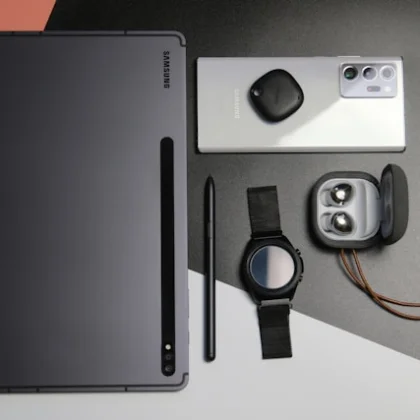
- Phones, Tablets & Accessories — smartphones, chargers, and repairs, Kenya's single largest online shopping category by revenue
- Computers & Laptops — new, used, and refurbished laptops and desktops
- Fashion and Accessories — women's, men's, and kids & baby clothing
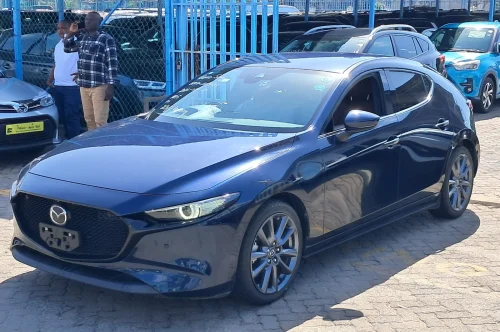
- Motor Vehicles — cars, pickups, and SUVs for sale across Kenya
- Real Estate — houses, apartments, and land for sale or rent
- Electronics & Appliances — TVs, audio equipment, and home electronics
- Home, Office & Living — furniture, kitchenware, and office supplies
- Beauty and Cosmetics — skincare, makeup, and fragrances
- Groceries — pantry staples and fresh produce
- Jobs — for those looking to shop for opportunities as well as products
How to Pay for Online Purchases in Kenya
M-Pesa is by far the dominant way Kenyans pay for online purchases — most sellers on local marketplaces accept a direct M-Pesa payment or Buy Goods till number. With mobile money penetration now above 100% of the population, it's rare to find a seller who can't accept it. For purchases from international stores, M-Pesa's GlobalPay Visa card has become a popular bridge, letting shoppers pay foreign merchants and subscription services directly from their M-Pesa balance. Bank cards and bank transfers remain common for higher-value purchases such as vehicles or real estate. TechTrendsKETechweez
How to Shop Online Safely in Kenya
- Verify the seller before paying. Check their profile, past listings, and location.
- Meet in public, well-lit places if collecting an item in person, and avoid carrying large amounts of cash.
- Never share your M-Pesa PIN, one-time password, or full card details with a seller — legitimate transactions never require this.
- Inspect items before final payment wherever the transaction allows it.
- Trust your instincts. If a deal looks too good to be true, or a seller pressures you to pay immediately, walk away.
Your Rights as an Online Shopper in Kenya
Online shopping in Kenya is covered by the same consumer protection laws as any other purchase. The Constitution of Kenya grants every consumer the right to goods and services of reasonable quality, the information needed to benefit fully from them, protection of their health, safety, and economic interests, and compensation for loss arising from defective goods or services. These rights are enforced through the Consumer Protection Act and by the Competition Authority of Kenya (CAK), which investigates complaints about misleading advertising, defective goods, and unfair trading practices — whether the purchase happened in a shop or online. Cak
Frequently Asked Questions
Is online shopping safe in Kenya?
Yes, when you buy from verified sellers on established marketplaces, pay through traceable methods like M-Pesa, and follow basic safety practices such as meeting in public and inspecting items before final payment.
What is the best online shopping site in Kenya?
The best platform depends on what you're buying. For a wide range of categories — electronics, fashion, vehicles, real estate, and services — in one place, Sanalist is Kenya's classifieds and marketplace platform connecting buyers and sellers across all 47 counties.
How do I pay for online shopping in Kenya?
M-Pesa is the most widely accepted payment method, used directly with sellers or through tools like the GlobalPay Visa card for international purchases. Bank cards and bank transfers are also common for higher-value items.
Are online purchases regulated in Kenya?
Yes. Online purchases fall under the Consumer Protection Act, and shoppers can file complaints with the Competition Authority of Kenya if a seller engages in misleading, unfair, or unsafe trading practices.
Can I negotiate prices when shopping online in Kenya?
On classifieds-style marketplaces like Sanalist, yes — many listings are open to reasonable offers, unlike fixed-price retail sites.
Final Thoughts
Online shopping in Kenya has moved well past the early-adopter stage — it's now a mainstream way to buy everything from a phone charger to a house. The keys to a good experience are the same wherever you shop: pick a trustworthy platform, verify the seller, pay through traceable channels like M-Pesa, and know your rights as a consumer. Ready to start? Browse listings or post your own ad for free on Sanalist in under two minutes.