

Search Trends in Kenya 2025: From iPhone Prices to Used Toyota Cars and Land for Sale

If you want to understand what really matters to Kenyan consumers in 2025, you don’t need a survey – you just need to look at Google. Search data reveals a clear story: Kenyans are highly price‑sensitive, extremely research‑driven, and increasingly digital when it comes to buying everything from smartphones and cars to sofas, laptops, and property.
On sanaLIST, these same trends play out daily across thousands of free classified ads and online marketplace listings.
In this blog, we’ll break down three big pillars of Kenyan search behaviour in 2025:
- Smartphones
- Cars
- Online marketplaces & classifieds
For each, the top search terms and volumes show not just what people want, but how they shop and what they prioritise.
1. Smartphones: “Price in Kenya” Rules Everything
Phones are among the most heavily searched products in Kenya, and the wording of the queries says it all: almost every leading search includes “price in Kenya.” This isn’t casual browsing – it’s intentional, comparison‑driven research.
On sanaLIST, that same intent translates into traffic to:

1.1. The Rise of Mid‑Range Androids and “Last‑Year” iPhones
The top phone‑related searches are dominated by:
-
Mid‑range and budget Android phones, especially:
- Samsung Galaxy A‑series (A14, A24, A34, A04, A54, A23)
- Tecno Camon and Spark series (Camon 19/20, Spark 9/10)
- Infinix Note and Hot series
- Xiaomi Redmi Note series
- Itel entry‑level models
-
Slightly older iPhones whose prices have dropped:
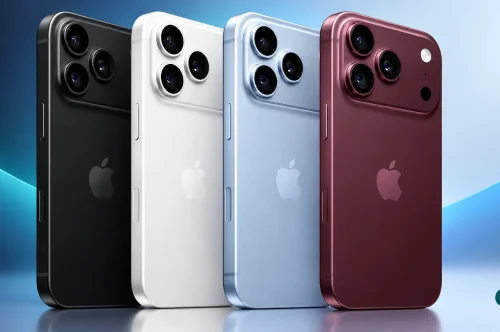
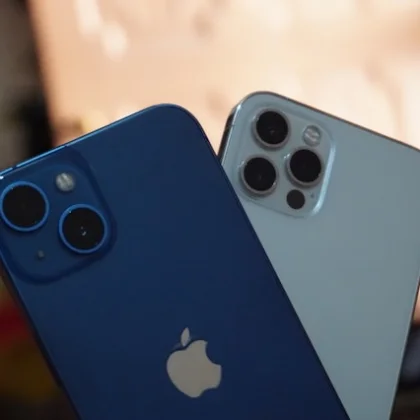
- iPhone 11, 12, 13, 14
Approximate monthly volumes:
- “iPhone 13 price in Kenya” – ~50,000 searches/month
- “Samsung Galaxy A14 price in Kenya” – ~45,000
- “iPhone 14 price in Kenya” – ~40,000
- “iPhone 12 price in Kenya” – ~35,000
- “Samsung Galaxy A24 price in Kenya” – ~30,000
- “iPhone 11 price in Kenya” – ~30,000
From there you see a long tail of Samsung, Tecno, Infinix, Xiaomi, Oppo, Itel, Nokia, Vivo and OnePlus models, all with thousands of searches each month.
If you sell phones, making sure your listings appear under Smartphones or Refurbished Phones, and optimising titles with “price in Kenya”, is key.
1.2. What This Says About Kenyan Phone Buyers
A few clear patterns emerge.
1. Value‑for‑money is king
Kenyans are prioritising the price–specs balance. Samsung’s mid‑range A‑series and Transsion brands (Tecno, Infinix, Itel) dominate because they offer:
- Good performance
- Big batteries and displays
- Decent cameras
…at prices that fit tight budgets.
That’s why used and refurbished smartphones are so active on platforms like sanaLIST mobile phones category and refurbished laptops as well.
2. Aspirational but practical interest in Apple
Even though Apple’s market share in Kenya is still small, search interest in iPhones is huge:
- iPhone 11, 12, 13, 14 all appear among top queries.
- These are previous‑generation flagships whose prices have become more attainable.
This points to:
- Aspirational demand – people want the prestige and ecosystem of Apple.
- A strong second‑hand market – many Kenyans turn to refurbished or used iPhones once prices drop.
If you deal in ex‑UK or refurbished Apple devices, make sure to tag and list them properly under refurbished phones and laptops and include keywords like “ex‑UK” and “price in Kenya”.
3. Almost every search is about price
The phrase “price in Kenya” appears across nearly all top phone‑related searches. That tells us:
- Buyers are actively comparing prices across shops and platforms.
- They’re wary of being overcharged and use Google to benchmark “normal” prices.
- There’s a strong culture of research‑before‑purchase – walking into a shop uninformed is becoming rare, especially in cities.
External price comparison and review resources such as GSMArena and Kimovil are also part of this research journey.
4. Research first, then buy offline or on marketplaces
Typical journey:
- Search for “[phone model] price in Kenya”
- Compare across blogs, online shops, and marketplaces like sanaLIST smartphones
- Narrow down a budget and shortlist
- Buy from:
- A local shop
- An online retailer
- A classifieds seller on sanaLIST, Jiji, or social platforms
2. Cars: Kenya’s Love Affair with Used Japanese Vehicles
If phones show a mix of aspiration and affordability, car searches are almost purely driven by economics. The keywords “used” or “for sale in Kenya” appear everywhere.
On sanaLIST, most activity is concentrated under:
2.1. The Used‑Car Economy
Some of the biggest search queries:
- “Used cars for sale in Kenya” – ~100,000 searches/month
- “Cars for sale in Kenya” – ~90,000
- “Cheap cars in Kenya” – ~60,000
- “Second hand cars in Kenya” – ~40,000
These huge volumes reflect a simple reality:
- Most Kenyans buy used cars, not new ones.
- The market is driven by price, fuel economy, and durability – not brand‑new status.
Listing your vehicles as used, ex‑Japan, ex‑UK and clearly stating mileage, year, and location (e.g. “for sale in Nairobi / Mombasa”) is crucial for visibility and conversions on sanaLIST Motor Vehicles.
2.2. Toyota: Practically a Synonym for “Car”
Toyota’s dominance on Kenyan roads is echoed strongly in search trends:
Top Toyota‑related searches include:
- “Toyota cars for sale in Kenya” – ~60,000 searches/month
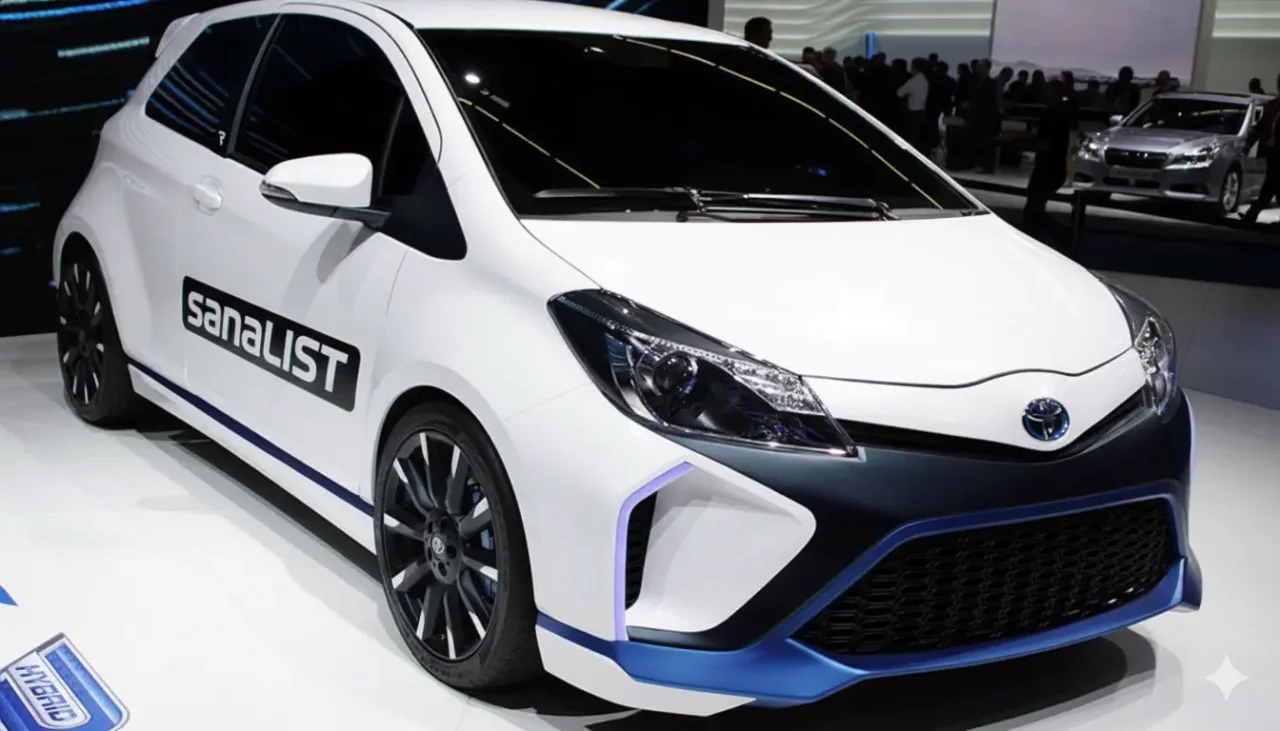
- “Toyota Vitz for sale in Kenya” – ~50,000
- “Toyota Fielder for sale in Kenya” – ~45,000
- “Toyota Probox for sale in Kenya” – ~40,000
- “Used Toyota for sale in Kenya” – ~40,000
Plus models like Premio, Harrier, Land Cruiser Prado, Hilux, Axio, Passo, Noah, Voxy – each with tens of thousands of searches.
This underlines:
- Strong trust in Japanese brands, especially Toyota.
- A perception of Toyota as:
- Reliable
- Cheap to maintain
- Easy to repair (abundant parts & mechanics)
On sanaLIST Cars and SUVs, accurate brand and model tagging is what helps your listings surface for these high‑intent queries.
2.3. What Models Tell Us About Lifestyles
Look at the types of cars Kenyans search for and a lifestyle picture emerges:
-
Small hatchbacks and saloons (Vitz, Demio, Note, Fit, Passo)
- Popular for low fuel consumption, easy city driving, and affordability.
- Buyers: young professionals, small families, ride‑hailing drivers, first‑time owners.
-
Family and taxi workhorses (Fielder, Axio, Noah, Voxy, Premio)
- Appeal: space, reliability, comfort.
- Buyers: taxi and shuttle operators, larger families.
-
SUVs and crossovers (Harrier, CX‑5, Forester, X‑Trail, Prado) – many listed under SUVs & Off‑road Vehicles
- Aspirational and functional:
- Urban families wanting comfort and status
- Upcountry drivers needing ground clearance and occasional 4x4
- Aspirational and functional:
-
Pickups (Hilux, Isuzu D‑Max, Ford Ranger) in Pickups
- Reflect Kenya’s strong commerce and agriculture base:
- Farmers
- Contractors
- Small logistics/trade businesses
- Reflect Kenya’s strong commerce and agriculture base:
-
Luxury European brands (Mercedes C‑Class, BMW X5)
- Lower volumes, but indicate a smaller high‑end segment watching used import deals closely on classifieds and dealers’ sites.
External research and valuation tools like Cheki / Autochek and Carwale used car price tools (international) also feed into this decision process.
2.4. Cars & Search Intent: Strongly Transactional
Almost all car queries include terms like:
- “for sale in Kenya”

- “for sale in Nairobi”
- “cheap cars”
- “used” / “second hand”
This indicates:
- People come to Google already in buying mode, not just browsing.
- They’re using search as an entry point into:
- Classified sites like sanaLIST Motor Vehicles
- Dealer websites
- Facebook groups and marketplaces
In short, for cars, Google is effectively the front door to Kenya’s used vehicle market – and well‑optimised listings on sanaLIST are the “showroom”.
3. Online Marketplaces & Classifieds: A Vibrant Digital Bazaar
Beyond phones and cars, Kenyans are flocking online to buy and sell just about everything else: laptops, TVs, furniture, clothes, land, and houses.
On sanaLIST Kenya – Free Classified Ads, you can see this across categories like:
- Computers & Laptops
- Electronics & Appliances
- Home & Living
- Fashion and Accessories
- Jobs Near Me
- Real Estate
The keywords in this category show two major types of platforms:
- Classifieds (C2C / peer‑to‑peer) – where individuals list items
- E‑commerce (B2C) – where retailers sell new products
3.1. Jiji, OLX, PigiaMe & Facebook Marketplace
Top marketplace‑related searches (monthly):
- “Jiji Kenya” – ~150,000 searches
- “OLX Kenya” – ~120,000
- “PigiaMe Kenya” – ~80,000
- “Facebook Marketplace Kenya” – ~60,000
Key takeaways:
- Jiji is the dominant classifieds brand in search.
- “OLX Kenya” is still heavily searched, showing strong legacy recognition.
- PigiaMe and Facebook Marketplace have carved out niches.
Generic queries like:
- “Kenya classifieds”
- “buy and sell in Kenya”
- “online marketplace Kenya”
show users are not only loyal to specific brands but also exploring generally where to trade online.
That’s exactly the intent sanaLIST targets with its Online Marketplace Kenya category and broad products search.
3.2. Second‑Hand Everything: Electronics, Furniture, Clothes
Searches show a deep culture of re‑use and bargain hunting:

- “Used items in Kenya” – ~40,000 searches/month
- “Second hand items in Kenya” – ~30,000
- “Used electronics in Kenya” – ~20,000
- “Used phones in Kenya” – ~25,000
- “Used laptops in Kenya” – ~15,000
- “Used furniture in Kenya” – ~10,000
- “Second hand furniture in Nairobi” – ~8,000
- “Used clothes in Kenya” – ~12,000
On sanaLIST, these searches flow into:
What this tells us:
- Affordability leads – second‑hand is a major strategy for managing cost of living.
- Electronics, furniture, and clothing are routinely bought used, not just occasionally.
- Nairobi features heavily in location‑based searches (“cheap laptops in Nairobi”, “second hand furniture in Nairobi”), reflecting its status as the country’s biggest offline and online market.
External fashion and resale platforms like ThredUp or Vestiaire Collective illustrate how mature second‑hand can become – a model Kenyan marketplaces are moving towards.
3.3. “Ex‑UK” Goods: The Imported Second‑Hand Niche
Two particularly local phrases stand out:
- “Ex UK laptops in Kenya” – ~10,000 searches/month
- “Ex UK phones in Kenya” – ~8,000
“Ex‑UK” is shorthand for used devices imported from the UK (and sometimes other European markets). These are perceived as:
- Better maintained
- Higher quality
- More reliable than some locally used or regionally imported stock
On sanaLIST, sellers who deal in ex‑UK products should label listings clearly under Laptops, Refurbished Laptops and Smartphones, and include “ex‑UK” and “price in Kenya” in titles and descriptions.
3.4. Property Goes Online: Land and Houses
Real estate has moved heavily online:
- “Land for sale in Kenya” – ~50,000 searches/month
- “Houses for sale in Kenya” – ~50,000
These are some of the highest‑volume marketplace searches overall, highlighting:
- Strong investment appetite in land and property
- A shift from purely offline brokers to online listing portals
On sanaLIST Real Estate you see this in:
External property portals such as BuyRentKenya and Property24 Kenya complement this, but classifieds platforms offer more flexible, peer‑to‑peer options.
3.5. Jumia, Kilimall, and the Growth of E‑Commerce
Among pure e‑commerce players, one name stands out:
- “Jumia Kenya” – 200,000+ searches/month
This makes Jumia one of the most searched online brands in the country. It signals:
- Mainstream adoption of online retail for new goods
- Heavy interest in promotions (Black Friday, flash sales, etc.)
Other queries like:
- “Best online shopping sites in Kenya” – ~5,000 searches/month
- “Kilimall Kenya” – ~5,000
show that Kenyans:
- Compare different platforms
- Care about trust, delivery reliability, and pricing when choosing where to shop
For sellers, listing on sanaLIST alongside your own website or Jumia store spreads your visibility across both marketplace and search traffic.
4. What All This Tells Us About Kenyan Consumers in 2025
Across phones, cars, and marketplaces, a common picture emerges.
4.1. Highly Price‑Sensitive, But Not Cheap‑Only
Keywords like “cheap”, “used”, and “second hand” appear everywhere. But consumers aren’t only chasing the lowest possible price – they also care about:
- Brand (Samsung, Toyota, iPhone)

- Durability
- Resale value
- Perceived quality (e.g. ex‑UK electronics, well‑maintained vehicles)
This is value‑conscious, not just cost‑cutting behaviour.
4.2. Research‑Driven and Comparison‑Oriented
“Price in Kenya” and “for sale in Kenya/Nairobi” embody an informed shopper. People:
- Compare items and prices online
- Check multiple platforms – sanaLIST, Jiji, Jumia, Kilimall, Facebook
- Read or watch reviews on sites like YouTube and GSMArena
- Use search to avoid being misled by inflated prices or fake deals
4.3. A Mature Second‑Hand Culture
From cars to clothes, fridges to phones, second‑hand is fully normalised:
- It’s not just a last resort; it’s often the smart way to buy.
- Platforms like sanaLIST, Jiji, PigiaMe, Facebook Marketplace, and the ex‑UK ecosystem are the infrastructure that supports this.
4.4. The Digital Marketplace Is Now Central, Not Optional
Search behaviour shows that:
- Google is the entry point for many buying journeys.
- Online marketplaces and e‑commerce platforms are no longer niche – they’re mainstream tools for:
- Price discovery
- Product discovery
- Actual transactions
As internet access spreads and trust in online transactions grows, this digital‑first behaviour will only deepen.
5. What This Means for Businesses in Kenya
If you’re a retailer, dealer, or digital platform operating in Kenya, the 2025 search landscape offers clear strategic lessons.
5.1. Be Discoverable on Google – and on Marketplaces
Almost every journey starts with a search. If you don’t appear for “price in Kenya” or “for sale in Kenya”–type queries in your category, you’re invisible to a huge share of ready‑to‑buy customers.
That means:
- SEO‑optimised product pages on your own site
- Active listings on sanaLIST, especially in:
5.2. Show Clear Pricing and Local Relevance
Kenyans search with local context in mind – “in Kenya” or “in Nairobi.” Local pricing, KES currency, and location‑specific information matter.
On sanaLIST, every ad should:
- Clearly state price in KSh
- Indicate location (Nairobi, Mombasa, Nakuru, Eldoret, etc.)
- Use titles like:
- “Toyota Fielder 2014 for Sale in Nairobi – Price in Kenya”
- “iPhone 13 128GB Ex‑UK – Price in Kenya, Nairobi CBD”
5.3. Compete on Value, Not Just Brand
Mid‑range phones and used cars dominate because they balance price and quality. Brands and sellers that clearly communicate value‑for‑money will win.
Use sanaLIST descriptions to:
- Highlight warranties, return policies, and after‑sales support
- Explain why your price is fair (ex‑Japan, low mileage, ex‑UK, original parts, etc.)
5.4. Support Second‑Hand and Refurbished Segments
There is massive demand for certified used and refurbished:
- Phones – Refurbished Phones
- Laptops – Refurbished & Used Laptops
- Cars – Used cars on sanaLIST
- Appliances – Home Appliances
Offering warranties, transparent grading (A/B/C condition), and clear photos can capture this trust‑driven second‑hand market.
5.5. Leverage Classifieds and Marketplaces, Not Just Standalone Shops
Whether you’re selling electronics, cars, property, or services, ignoring platforms like sanaLIST means leaving money on the table.
You can:
- Post free ads on sanaLIST to reach buyers across Kenya
- Use categories such as:
to promote service‑based businesses as well.
Final Thought
Kenyans in 2025 are savvy digital shoppers. They research, compare, and hunt for value online long before they hand over any cash. Phones, cars, property, and everyday goods all pass through the same filter:
“Is this the best deal I can get in Kenya right now?”
If you understand that mindset – and optimise your presence on both Google and sanaLIST Kenya’s online marketplace around it – you’re already one step ahead in the Kenyan market.