


Toyota Vitz for Sale in Kenya (2026 Guide): Prices by Year, Buying Tips, and FAQs
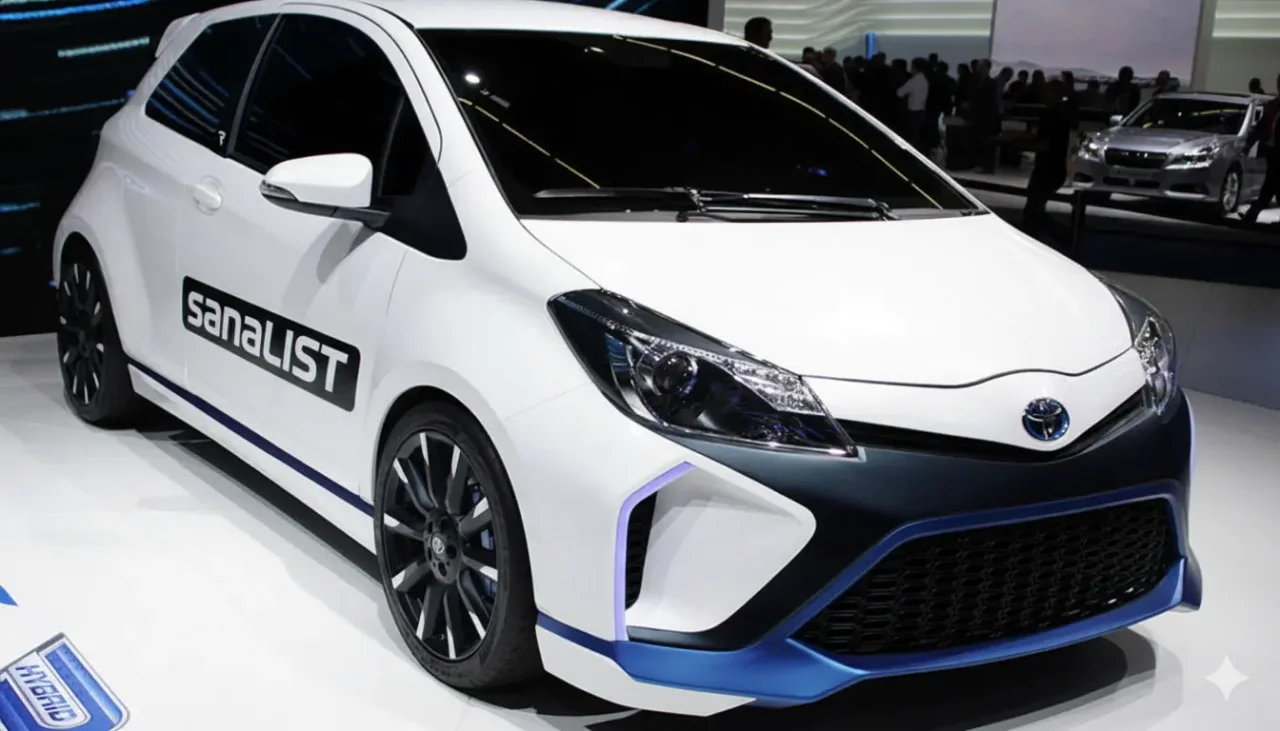
If you’re searching “Toyota Vitz for sale in Kenya”, you’re looking at one of Kenya’s most popular small cars—loved for fuel economy, easy maintenance, and strong resale value. This guide covers price ranges by year of manufacture, who it’s best for, why Kenyans buy it, how to choose the right unit, and a step-by-step buying checklist.
Summary (Quick Answer)
Toyota Vitz prices in Kenya (typical market range):
-
Older units (2005–2010): about KSh 300,000–650,000 (condition varies widely)
-
Mid-range (2011–2015): about KSh 500,000–1,150,000
-
Newer (2016–2018): about KSh 900,000–1,800,000
Best for: city driving, daily commute, students/first-time owners, small families.
Watch-outs: accident history, odo tampering, flood damage, suspension wear, CVT servicing.
Why the Toyota Vitz is So Popular in Kenya
1) Low running costs
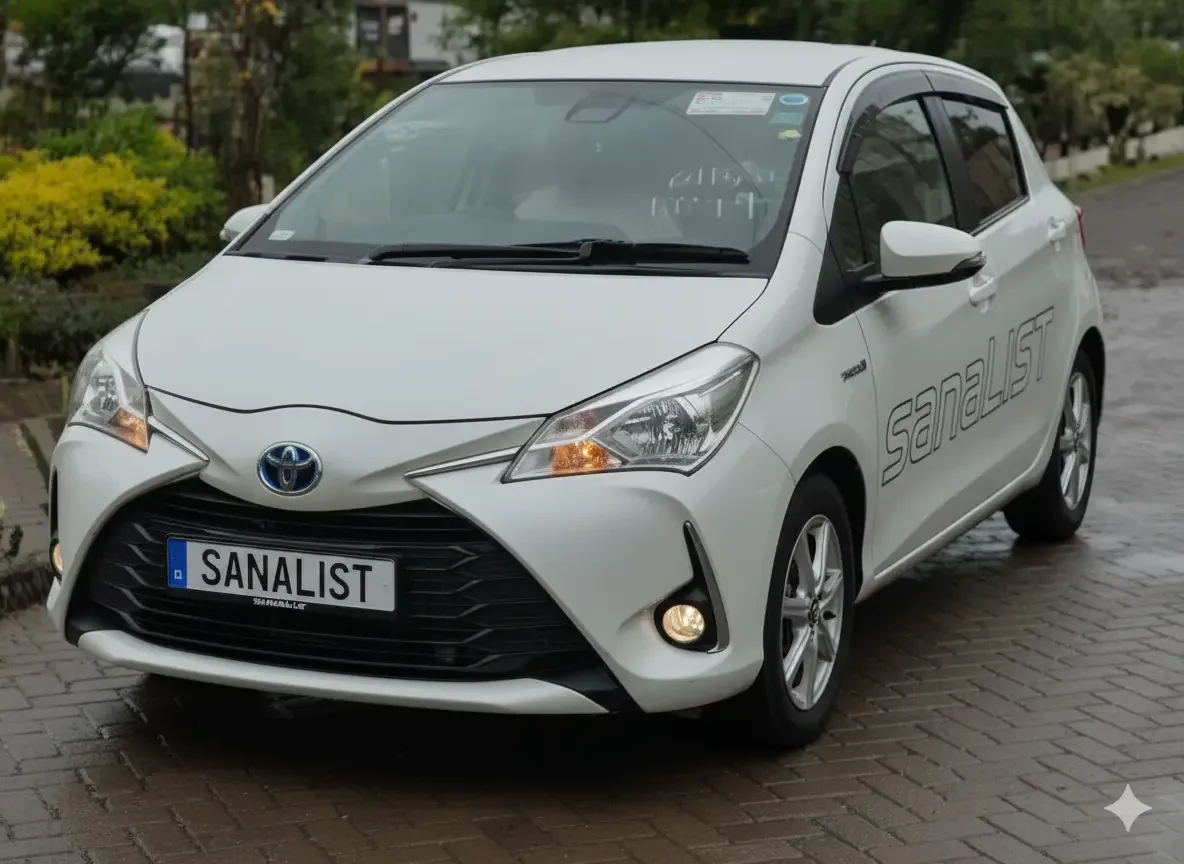
The Vitz is known for being light on fuel and generally affordable to service (parts availability is strong because it’s common).
2) Easy to drive in Nairobi and other towns
Small size = easier parking, easier maneuvering, and comfortable for urban routes.
3) Resale value
Because demand stays high, a clean Vitz (good condition + clean history) often sells faster than many alternatives.
Who the Toyota Vitz is For
The Vitz is ideal if you are:
-
A first-time car owner who wants a reliable daily driver
-
A commuter doing mostly town + occasional highway
-
A budget-focused buyer prioritizing fuel economy
-
A small household needing a simple 5-seater hatchback
It may not be ideal if you:
-
Carry heavy loads daily (consider bigger suspension/boot options)
-
Do frequent rough-road upcountry routes at speed (you’ll want higher clearance)
Toyota Vitz Price in Kenya by Year of Manufacture (Typical Ranges)
These ranges reflect real-world advertised pricing patterns seen on Kenyan marketplaces and dealer platforms; condition, mileage, trim, and whether it’s locally used vs foreign used can shift pricing significantly. Examples include 2011 around KSh 500,000, 2014 around KSh 799,000–999,000, 2015 around KSh 1,100,000–1,180,000, and 2018 ranging from about KSh 1.2M–1.8M in listings.
Price table (Kenya market guide)
Note: These are practical shopping ranges, not fixed price tags.
What Makes Prices Go Up or Down?
Factors that increase price
-
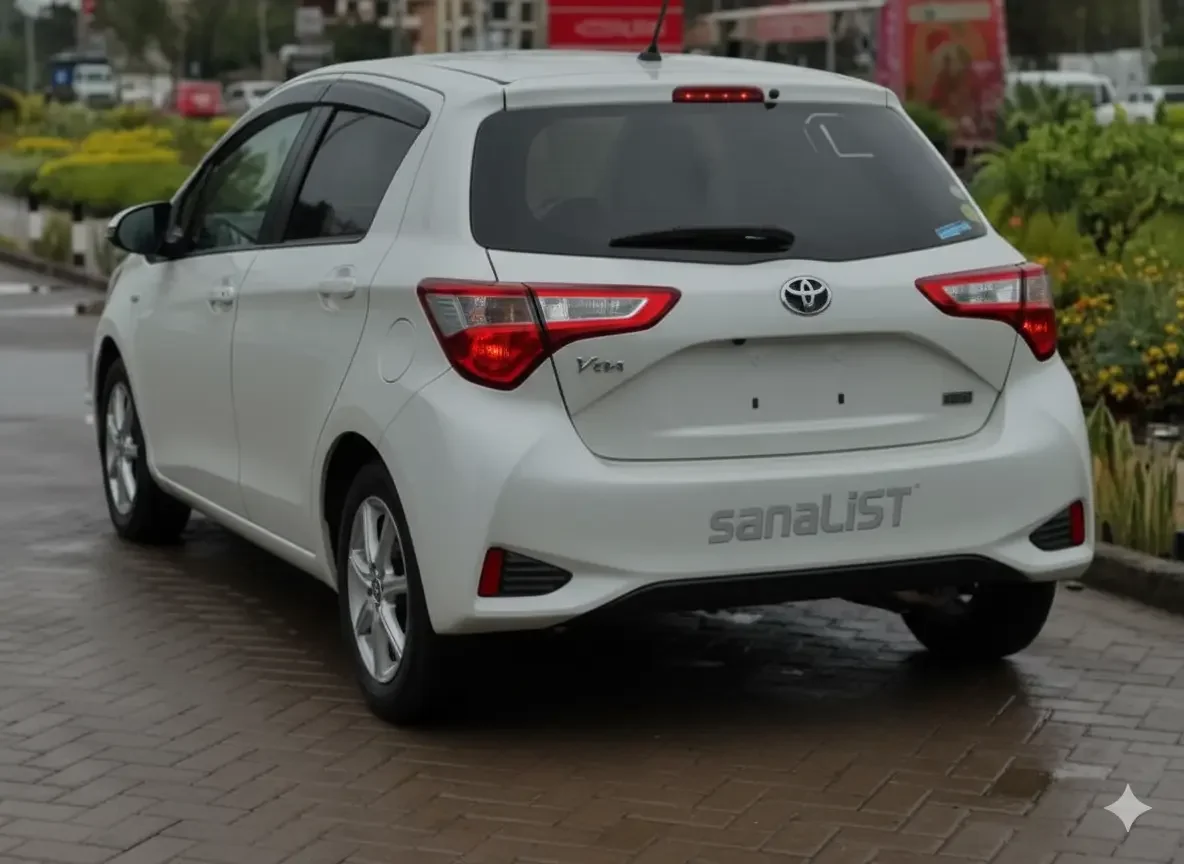
Verified, clean history + no accident repairs
-
Lower mileage with consistent service records
-
Popular trims/features (push start, reverse camera, newer infotainment)
-
Fresh import with strong inspection results
Factors that reduce price (sometimes “too good to be true”)
-
Accident repairs (poor panel gaps, overspray, misaligned boot/hood)
-
“Mileage that doesn’t make sense” for the age
-
Gearbox issues (especially if neglected CVT servicing)
-
Suspension noise, steering vibration, oil leaks
Locally Used vs Foreign Used: Which Is Better?
Locally used can be great if the owner maintained it well—plus you can see its Kenyan driving history.
Foreign used units sometimes arrive with cleaner interiors and lower mileage, but always confirm inspection/condition and understand landed cost if you’re importing.
Import Rules You Must Know (Kenya)
8-year import age limit (important!)
Kenya has enforced an 8-year age limit for imported used vehicles (not more than eight years from year of first registration), referenced in official-standard communications and widely reported guidance.
Meaning: If you plan to import, focus on newer eligible units.
Taxes & duty: how people estimate landed cost
Kenyan duty estimates commonly break down into Import Duty, Excise Duty, VAT, IDF, and RDL, based on CRSP/depreciation calculations used in common duty calculators.
(For exact official payable amounts, buyers typically confirm using KRA/clearing agents.)
How to Buy a Toyota Vitz in Kenya (Step-by-Step)
Step 1: Set your budget (car price + “after-buy” costs)
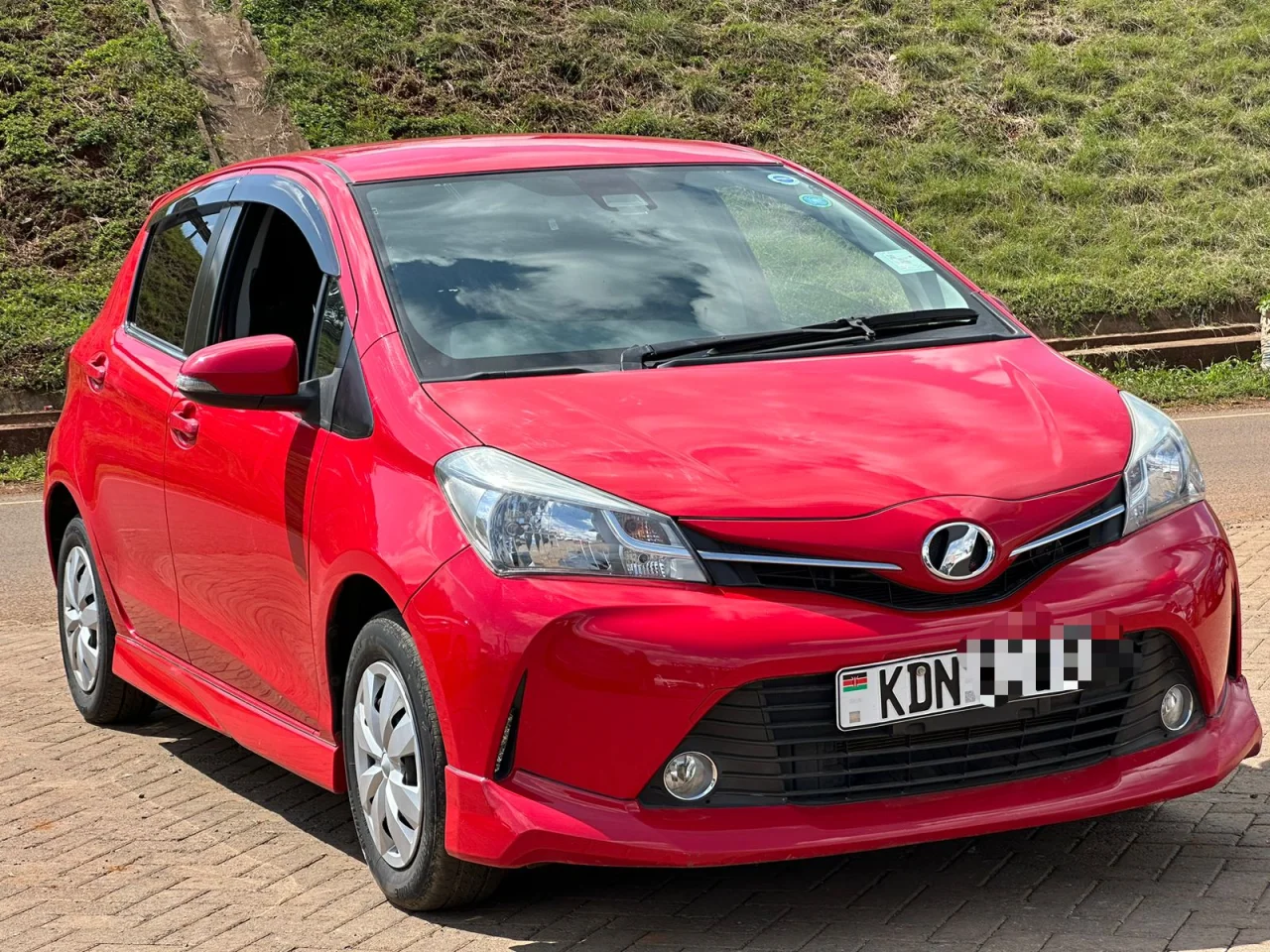
Plan for:
-
Transfer + insurance
-
Initial service (oil, filters, plugs)
-
Tyres/brakes if needed
-
Small repairs discovered after inspection
Step 2: Choose the best year range for your needs
-
Budget-focused: 2011–2013
-
Best value for features: 2014–2016
-
Newer feel / longer ownership: 2017–2018
Step 3: Shortlist 5–10 units (don’t fall in love with the first one)
Compare:
-
Mileage vs condition
-
Ownership docs
-
Service history
-
Evidence of repainting/repairs
Step 4: Inspect properly (don’t skip this)
Quick physical checks (non-mechanic):
-
Uneven panel gaps, overspray on rubber trims (accident repair clues)
-
Wet carpet/boot (flood risk)
-
White smoke, rough idle, warning lights
-
AC coldness and fan speeds
Step 5: Professional inspection / road test
Ask your mechanic to focus on:
-
Gearbox performance (especially smooth acceleration)
-
Suspension noise (bumps, potholes, speed bumps)
-
Steering rack play
-
Engine mounts and leaks
Step 6: Negotiate like a pro
Use objective issues:
-
Worn tyres
-
Brake pads/rotors
-
Suspension bushings
-
Service due immediately
Step 7: Paperwork and handover checklist
-
Confirm seller identity and ownership details
-
Written sale agreement (price, date, condition)
-
Logbook transfer process
-
Pay via traceable method where possible
How to Pick the “Best” Toyota Vitz Variant for Kenya
While trims vary by market, most buyers shop around engine sizes like 1000cc and 1300cc:
-
1000cc: best for fuel savings and city commuting
-
1300cc: better balance for highway merges and full passengers
Maintenance Tips That Keep a Vitz Reliable (Kenya Conditions)
-
Service on time (oil + filters consistently)
-
Don’t ignore suspension noises (cheap fixes become expensive later)
-
Use quality fluids (especially for transmission servicing)
-
Keep tyres properly inflated—improves fuel economy and stability
FAQs: Toyota Vitz for Sale in Kenya
1) What is the average price of a Toyota Vitz in Kenya?
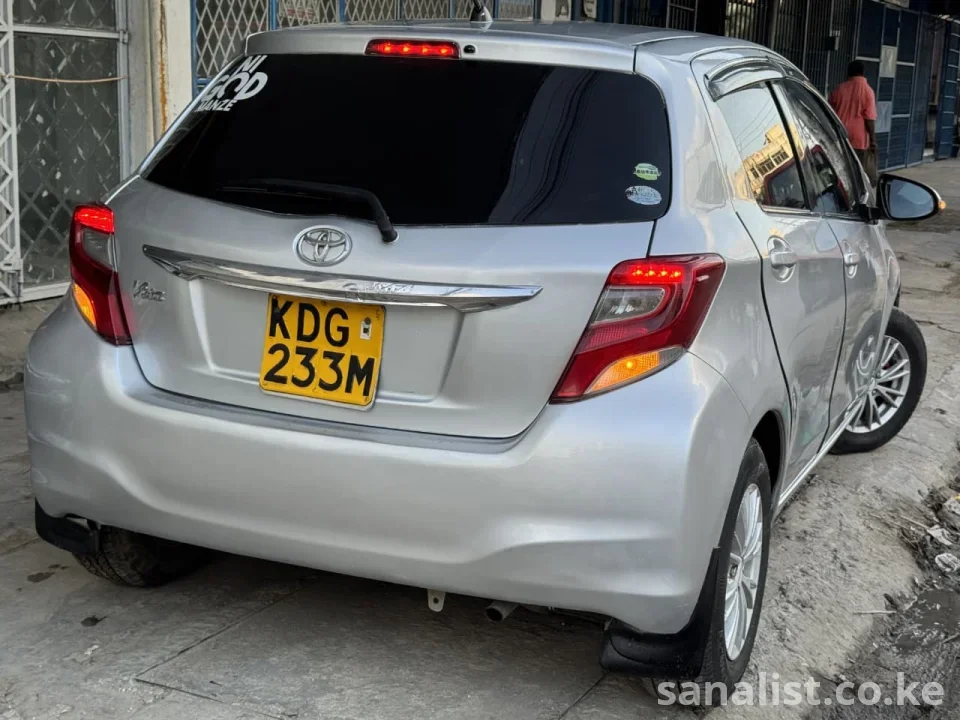
It depends on year and condition, but many buyers shop within KSh 500,000–1,500,000, with 2014–2018 commonly appearing in the KSh 800,000–1,800,000 zone.
2) Is the Toyota Vitz good for Kenyan roads?
Yes for normal tarmac and urban driving. For rough rural roads, drive carefully and keep suspension in good shape.
3) What year of Toyota Vitz is best value in Kenya?
Many buyers find 2014–2016 offers the best mix of price and modern features, based on common listing prices and availability.
4) Can I import a Toyota Vitz today?
If importing, pay attention to the 8-year age limit and plan taxes/fees.
5) What should I check first before paying a deposit?
Accident signs, gearbox behavior on a test drive, suspension noise, and paperwork authenticity.
6) Why do prices for the same year vary so much?
Mileage, trim, condition, accident history, location (Nairobi vs upcountry), and whether it’s locally used or foreign used all move the price.
Final Buying Advice (Simple Rule)
When searching Toyota Vitz for sale in Kenya, prioritize condition + verified history over “best deal.” A slightly higher-priced, well-maintained Vitz often ends up cheaper than a bargain unit with hidden gearbox or accident problems.