


Toyota Fielder in Kenya: Ex-Japan Prices, Features & Why It’s the Best Affordable Car
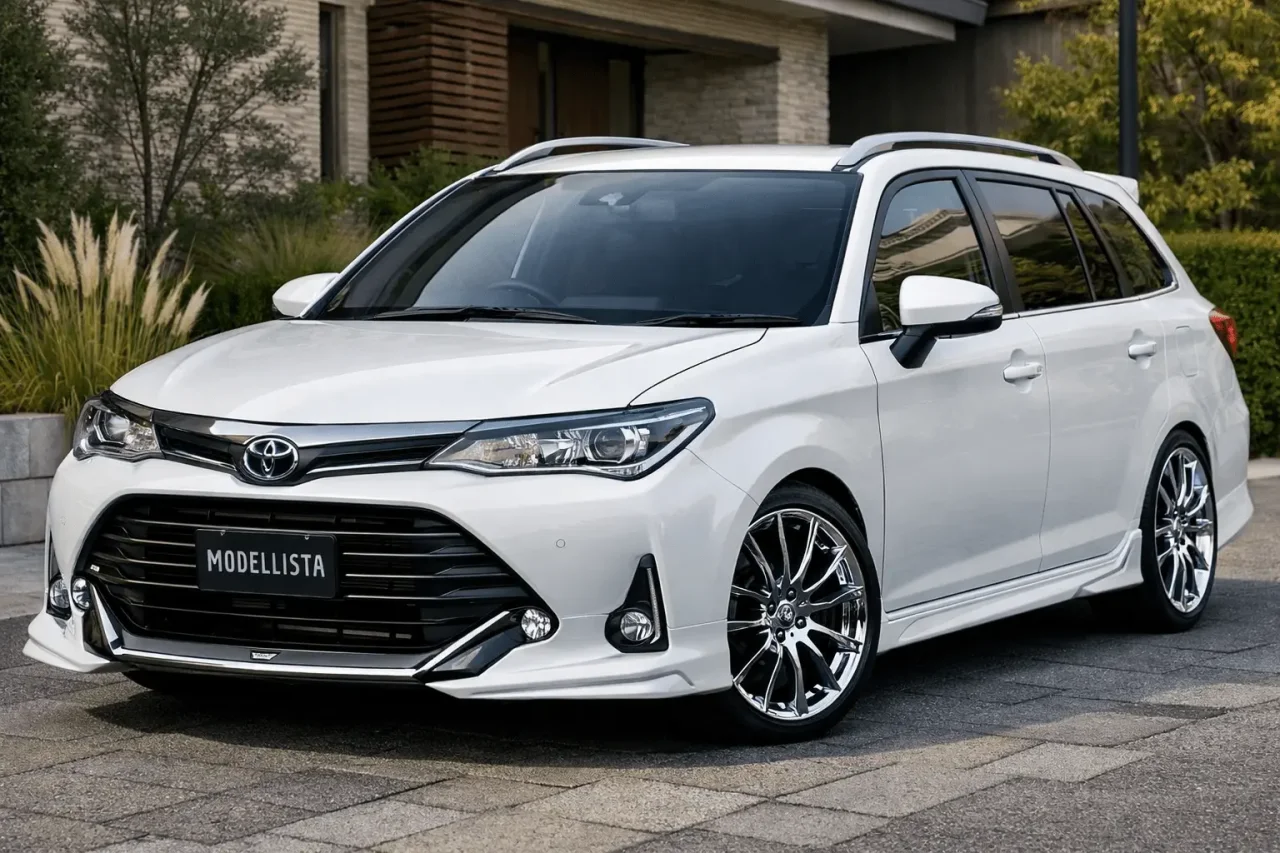
Toyota Fielder in Kenya: Why It’s One of the Most Preferred Affordable Cars (Especially Ex-Japan)
If you’ve been searching for a reliable, affordable, and practical family car in Kenya, chances are you’ve already come across the Toyota Fielder – particularly the Ex-Japan units. On Kenyan roads, from Nairobi to Mombasa, Eldoret to Kisumu, the Fielder has become a common and trusted name.
In this detailed guide, you’ll learn:
- Why the Toyota Fielder is so popular in Kenya
- The advantages of Ex-Japan Fielder units
- Price ranges by model year (e.g., 2010–2015, 2016–2018, etc.) in the Kenyan market
- Fuel consumption, spare parts, maintenance, and resale value
- Why many Kenyan buyers search for Toyota Fielder deals on sanalist.co.ke, a leading car classifieds platform
1. Overview: What Is the Toyota Fielder?
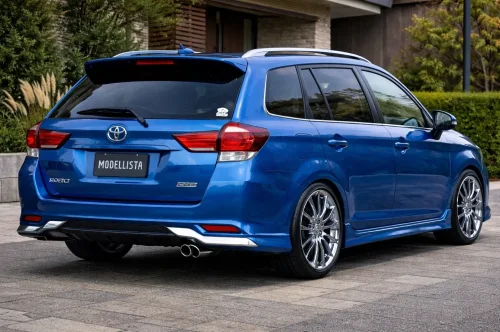
The Toyota Fielder is the station wagon version of the popular Toyota Corolla. It combines:
- Hatchback-like maneuverability
- Sedan-like comfort
- Station wagon practicality and boot space
In Kenya, it is especially loved by:
- Families looking for a reliable daily driver
- Taxi and ride-hailing operators (Uber, Bolt, Little) who need low running costs
- Business owners who need cargo space but can’t afford a van
- First-time car buyers upgrading from local used (locally used) cars to Ex-Japan imports
2. Why the Toyota Fielder Is So Popular in Kenya
2.1 Affordability Compared to Other Wagons
When compared to other wagons and compact cars in Kenya such as:

- Subaru Legacy Wagon
- Honda Airwave / Fit Shuttle
- Nissan Wingroad
…the Toyota Fielder frequently wins on:
- Initial purchase price
- Affordable spare parts
- High fuel efficiency
- Strong resale value
This makes it highly attractive for buyers working with a budget of KSh 900,000–1,800,000, depending on the year and spec.
2.2 Excellent Fuel Economy
Fuel prices in Kenya are high, so fuel efficiency is a major consideration. The Toyota Fielder shines here.
Common engines and average consumption (real Kenyan road conditions):
- 1.5L (1496cc): around 14–18 km/L
- 1.8L (1797cc): around 12–15 km/L
For taxi drivers and long-distance commuters, this is a huge advantage over bigger, thirstier engines.
2.3 Cheap & Easily Available Spare Parts
Because the Fielder is based on the Toyota Corolla platform, spare parts are:
- Widely available in all major towns (Kirinyaga Road, Industrial Area, Mombasa, Nakuru, Eldoret, Kisumu, etc.)
- Produced by many aftermarket brands, which keeps prices low
- Easy to source used (tokumbo) or new
Mechanics in Kenya are very familiar with Toyotas, so:
- Diagnosis and repair are straightforward
- Labour costs are reasonable
- You don’t need to visit an expensive dealership for most repairs
2.4 Strong Resale Value
The Toyota Fielder enjoys one of the strongest resale values in its class. If you maintain your car well:
- You can expect to resell it quickly
- The depreciation is gentler compared to many other Japanese wagons
This makes it a smart investment for buyers who may want to upgrade in future.
2.5 Practical Interior & Boot Space
Key practicality points:
- Spacious boot that easily handles luggage, shopping, or business goods
- Foldable rear seats for extra cargo (useful for courier work or farm produce)
- Good headroom and legroom for both front and rear passengers
For Kenyan families, this is a big reason the Fielder is preferred over smaller hatchbacks.
2.6 Reliability and Durability
The Toyota Fielder has a reputation in Kenya for:
- Long engine life if serviced regularly
- Strong suspension that copes well with rough and uneven roads
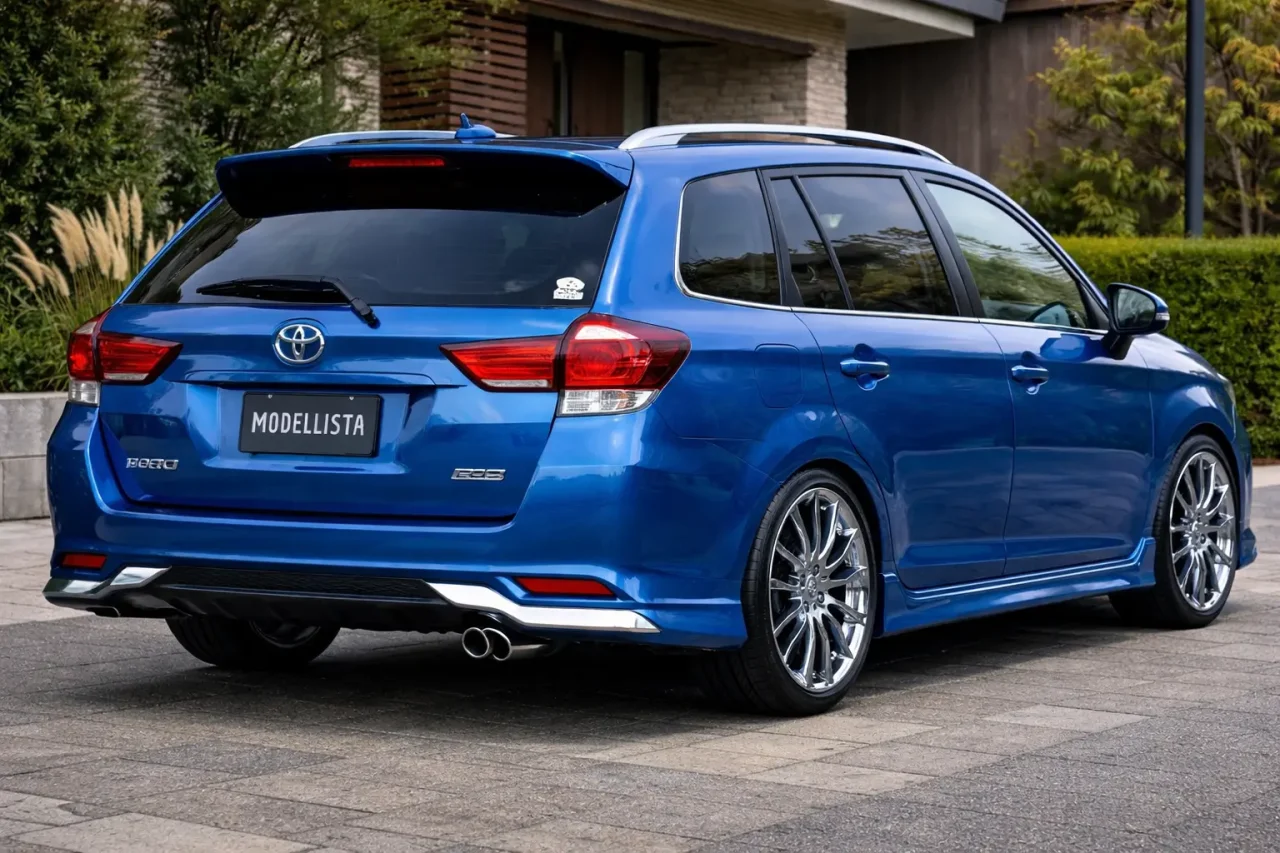
- Minimal electronic complications compared to some European models
Many owners report well over 200,000 km with only routine maintenance.
3. Why Kenyans Prefer Ex-Japan Toyota Fielder Models
In Kenya, you’ll see ads labeled “Ex-Japan” or “Fresh Import”. These refer to units imported directly from Japan, not previously used in Kenya.
3.1 Better Condition
Ex-Japan Fielders usually offer:
- Lower mileage compared to locally used cars
- Good service history (Japanese owners are known to maintain their vehicles well)
- Cleaner interiors and less body wear
This translates to fewer unexpected repairs after purchase.
3.2 More Features and Trim Options
Ex-Japan models often come with:
- Automatic climate control
- Reverse camera
- Alloy wheels
- Steering controls, fog lights, and sometimes safety systems like traction control
Some higher trims (like AEROTOURER, G-AEROTOURER) are particularly attractive to Kenyan buyers.
3.3 Good Value for Money
Because Japanese auction prices can be favorable, importers bring in Fielders that:
- Offer a higher spec at a price similar to or slightly above locally used units
- Still fall within budget for many middle-class Kenyan buyers
Combined with Japanese reliability, Ex-Japan Fielder units deliver better value over the long term.
4. Toyota Fielder Price Ranges in Kenya (By Year)
Note: Prices below are approximate market ranges in Kenya for Ex-Japan or very clean locally used units. Actual prices on the ground can vary based on:
- Mileage
- Trim level
- Condition
- Location (Nairobi vs Mombasa vs upcountry)
- Demand and taxes at the time
Use them as a starting guide and verify current listings on platforms like sanalist.co.ke.
4.1 Toyota Fielder 2010–2012 (Older Shape)
These are popular with budget buyers and taxi operators.
- Engine: 1.5L & 1.8L
- Fuel: Petrol
- Transmission: Automatic (often CVT)
Approximate Price Range in Kenya (2025 market context):
- 2010 models: around KSh 850,000 – 1,050,000
- 2011 models: around KSh 900,000 – 1,150,000
- 2012 models: around KSh 950,000 – 1,250,000
Best for:
- Buyers with limited budgets but who still want a reliable Toyota
- Taxi and ride-hailing operators looking for low-cost vehicles
4.2 Toyota Fielder 2013–2015 (Newer Design, Better Features)
These years are extremely popular in Kenya and are considered a sweet spot between price and modern features.
- Improved styling
- Better fuel efficiency
- More safety features
Approximate Price Range in Kenya:
- 2013 models: about KSh 1,050,000 – 1,350,000
- 2014 models: about KSh 1,150,000 – 1,450,000
- 2015 models: about KSh 1,250,000 – 1,550,000
This 2013–2015 range is especially hot on sites like sanalist.co.ke, where many private and dealer listings focus on these years.
4.3 Toyota Fielder 2016–2018 (More Refined & Feature-Rich)
These are newer models with updated interiors, improved safety, and sometimes hybrid options.
- Better dashboards & infotainment
- Enhanced safety systems (depending on spec)
- Often lower mileage
Approximate Price Range in Kenya:
- 2016 models: about KSh 1,350,000 – 1,700,000
- 2017 models: about KSh 1,450,000 – 1,800,000
- 2018 models: about KSh 1,550,000 – 1,950,000
Ideal for:
- Buyers who want newer tech, modern looks, and plan to keep the car longer
- Users who value safety and comfort for family or executive use
4.4 Toyota Fielder 2019 and Newer
For buyers with a higher budget, the latest Fielder models offer:
- More advanced safety tech
- Updated styling
- Lower odometer readings (often below 80,000 km)
Approximate Price Range in Kenya:
- 2019 models: around KSh 1,650,000 – 2,200,000
- 2020+ models: can go above KSh 2,200,000, depending on spec and mileage
These are often listed by professional dealers and importers on platforms such as sanalist.co.ke.
5. Running Costs: Fuel, Service, and Insurance
5.1 Fuel Costs
As mentioned, the Toyota Fielder is very economical:
- Daily town use (Nairobi traffic): expect about 12–14 km/L
- Highway driving: up to 16–18 km/L on the 1.5L engine
With fluctuating fuel prices in Kenya, this efficiency helps owners save thousands of shillings every month.
5.2 Routine Service Costs
Average routine service every 5,000–10,000 km typically includes:
- Engine oil
- Oil filter
- Air filter (occasionally)
- Basic checks
Estimated costs in typical Kenyan garages:
- KSh 5,000 – 10,000 per service, depending on the quality of parts and oil
Major services (plugs, transmission fluid, brake pads, etc.) may cost more but remain affordable compared to European brands.
5.3 Insurance and Licensing
Because the engine size is modest and the car is common:
- Insurance premiums (Comprehensive) tend to be reasonable
- Spare parts availability keeps insurers more comfortable, which can reduce risk loadings
This makes the Fielder a cost-effective car to own overall.
6. Common Uses of Toyota Fielder in Kenya
6.1 Family Vehicle
- School runs
- Shopping
- Long-distance trips to upcountry
The large boot and comfortable seating make it ideal as a family workhorse.
6.2 Taxi & Ride-Hailing Car
Many Toyota Fielder units in urban areas are used for:
- Uber
- Bolt
- Little
- Airport transfers
Reasons:
- Good fuel economy → better profits
- Durability → fewer breakdowns
- Comfort → better ratings from passengers
6.3 Small Business and Light Cargo
Owners use the Fielder to:
- Deliver goods
- Transport farming produce
- Move light equipment or tools
Folding the rear seats creates a cargo space similar to a small van while still looking like a private car.
7. Key Things to Check When Buying a Toyota Fielder in Kenya
If you’re shopping for a Fielder, especially on classified sites:
-
Service History
- Ask for receipts or service books
- Check if oil changes were done regularly
-
Mileage
- Genuine low mileage is a plus, but condition matters more than the number alone
-
Accident History
- Inspect for repainting, panel gaps, or uneven bodywork
- Request a professional inspection when possible
-
Transmission Health (CVT)
- On a test drive, check for hesitation, jerking, or whining noises
- Confirm if CVT fluid has been changed at recommended intervals
-
Suspension and Undercarriage
- Kenya’s roads can be punishing – check for worn bushings, shocks, and any rust
-
Electronics & Accessories
- Test all switches: aircon, radio, windows, lights, reverse camera, etc.
8. Where Kenyans Search for Toyota Fielder Deals: sanalist.co.ke
In the digital age, most Kenyans start their car search online. One of the leading classified ads platforms for cars for sale in Kenya is sanalist.co.ke.
8.1 Why Buyers Use sanalist.co.ke to Find Toyota Fielder
-
Wide Range of Listings
- Private sellers and dealers post Toyota Fielder ads from all over Kenya
- You can compare different years, trims, mileages, and prices in one place
-
Filter and Search Options
- Easily search “Toyota Fielder” and filter by
- Year (e.g., 2010–2015 models)
- Price range (e.g., KSh 1M – 1.5M)
- Location (Nairobi, Mombasa, Nakuru, Eldoret, etc.)
- Easily search “Toyota Fielder” and filter by
-
Ex-Japan vs Locally Used Listings
- Many sellers clearly label Ex-Japan units
- You can choose between fresh imports and cars already registered locally
8.2 How to Use sanalist Effectively When Shopping for a Fielder
1. Search for “Toyota Fielder”
Start by entering “Toyota Fielder” in the search bar on sanalist.co.ke.
- Then narrow down your results by:
- Year – e.g. 2010–2015, 2016–2018
- Price – set a minimum and maximum budget
- Location – Nairobi, Mombasa, Nakuru, Eldoret, Kisumu, etc.
2. Compare Multiple Ads
- Carefully check:
- Photos – look for body damage, interior condition, tyre wear
- Descriptions – service history, mileage, accident history, Ex-Japan vs locally used
- Asking prices – see where each car falls within your budget
- Take note of:
- Cars that appear clean and well-maintained
- Cars that look neglected or suspiciously cheap
3. Check Price Consistency
- Compare several listings of the same year and similar mileage.
- If one car is:
- Much cheaper – find out if it has mechanical issues, accident history, or very high mileage
- Much more expensive – see if it offers extra features, better condition, or lower mileage
Always investigate big price differences before deciding.
4. Contact Sellers
- Use the contact details provided in the ad:
- Call or message the seller directly
- Arrange:
- A physical viewing of the car
- A test drive to check performance, comfort, and any unusual noises
5. Consider Professional Inspection
- For cars especially above KSh 1.5M, it’s wise to:
- Hire a trusted mechanic or inspection service
- Check engine, transmission, suspension, electronics, and accident repairs
A small inspection fee can save you from expensive surprises later.
Because of this simple and effective process, many Kenyan buyers searching for “affordable Toyota Fielder in Kenya” or “Ex-Japan Toyota Fielder for sale” end up browsing, comparing, and finally choosing their car on sanalist.co.ke before making a final decision.
9. Is the Toyota Fielder the Right Affordable Car for You in Kenya?
You should strongly consider the Toyota Fielder, especially Ex-Japan, if:
- You want a reliable, long-lasting car with low running costs
- Your budget is in the range of KSh 900,000 – 2,000,000
- You need boot space and practicality for family or business
- You value fuel efficiency and good resale value
Among affordable cars in Kenya, the Toyota Fielder consistently stands out as one of the most preferred and trusted options.
10. Final Tips Before You Buy
- Set a realistic budget based on the year range you want
- Use online platforms like sanalist.co.ke to research prices and see real market trends
- Always inspect and test drive before paying
- Check documentation: logbook, import documents, and seller identity
- Negotiate politely – there is often room to bring the price down slightly
With proper research and careful selection, your Toyota Fielder can give you many years of reliable, economical service on Kenyan roads.