



Used Cars for Sale in Kenya: The Safest Buying Checklist (NTSA + Inspection + Payment)
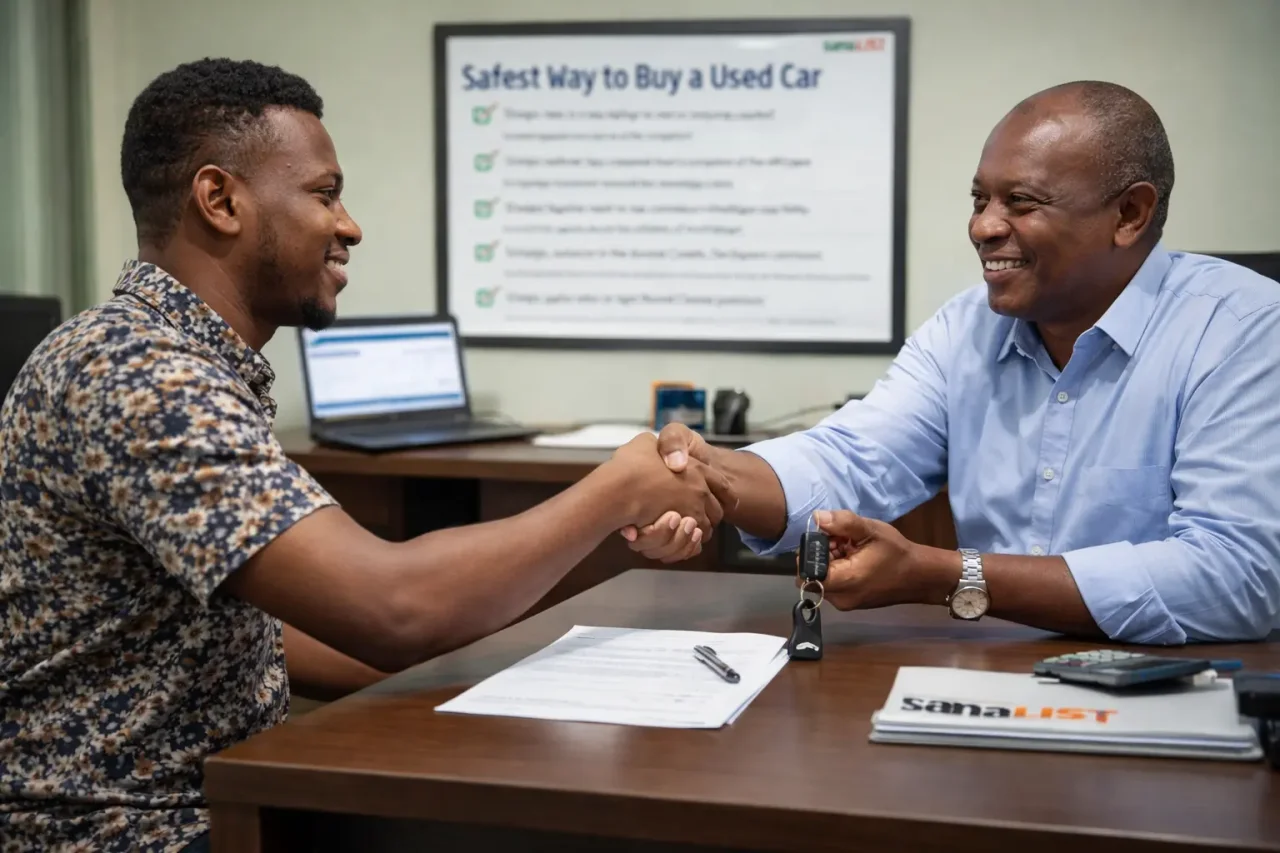
What Is the Safest Way to Buy a Used Car in Kenya?
If you’re searching for used cars for sale in Kenya, the biggest risk isn’t choosing the wrong model—it’s buying a car with fake ownership documents, hidden accident damage, unpaid liabilities, or a transfer that never happens. The safest way to buy a used car in Kenya is simple:
Verify the car and seller → inspect the car professionally → pay safely → complete NTSA ownership transfer before handing over full payment.
That one sequence eliminates most scams Kenyans encounter when shopping for cars for sale in Kenya online or offline.
To make the process easier, start from a marketplace where you can compare listings by location and budget—like sanaLIST’s Cars for Sale in Kenya section. Check out this classified ads platform sanaLIST
Quick Answer
Safest way to buy a used car in Kenya:
-
Shortlist the car on a trusted marketplace (compare price, mileage, location). Post your listing here sanaLIST
-
Confirm seller identity + match logbook details with the car (VIN/chassis & engine).
-
Verify ownership/transfer process via NTSA (TIMS on eCitizen/Service Portal). Go to NTSA Service Portal
-
Get a pre-purchase inspection (AA Kenya or a trusted inspector/mechanic). Check out here AA Kenya
-
Sign a written sale agreement and keep copies of IDs/KRA PINs.Learn more from here Automark
-
Pay via traceable methods (bank transfer/RTGS) and avoid cash-only deals.
-
Complete NTSA ownership transfer and confirm acceptance before final release.
Why Used Car Buyers Get Scammed in Kenya
Most scams happen because buyers rush one of three steps:
-
Skipping verification (fake logbook / seller not the legal owner)
-
Skipping inspection (hidden accident or engine/gearbox issues)
-
Paying before transfer (seller disappears or delays acceptance on TIMS)
That’s why your safest strategy is not “finding a cheap deal”—it’s building a safe buying system that works whether you’re buying cheap cars for sale in Kenya, a family wagon, or a premium import.
Step-by-Step: The Safest Used Car Buying Process in Kenya
1) Start With Smart Shortlisting (Don’t Start With a Viewing)
Before you call anyone, shortlist 5–10 options using clear filters:
-
Budget range (including transfer, insurance, inspection, immediate service)
-
Location (e.g., cars for sale in Nairobi vs. Mombasa imports)
-
Fuel type, engine size, transmission, mileage
On sanaLIST you can browse:
-
Cars for Sale in Kenya (broad market view) Go to sanaLIST
-
Motor Vehicles (cars + other vehicle types) GPost an Ad here sanaLIST
-
Helpful internal guides like Used Cars for Sale (model roundups) sanaLIST
-
Specific model research (example: Toyota Vitz for Sale in Kenya guide) Learn more from here sanaLIST
Pro tip (safety + negotiation): If a deal is far below market price, treat it as “high risk” until proven otherwise.
2) Screen the Seller Like a Professional (Before You Meet)
Ask for these upfront on WhatsApp/email:
-
Photo of the logbook (front + back)
-
Seller’s ID name (must match logbook owner, or show authorization)
-
Chassis/VIN and engine number (or photo plate)
-
Service history (if available)
-
Reason for selling
If the seller refuses basic verification, don’t proceed. The safest buyers “lose deals fast” and move on.
3) Verify Ownership and Details Through NTSA (TIMS / Service Portal)
Kenya’s official motor vehicle services run via NTSA’s online platform. Visit NTSA Service Portal
Your goal: confirm the seller can legitimately initiate a transfer and that the car details match the logbook.
Minimum verification checklist:
-
Logbook details match the physical car (VIN/chassis/engine)
-
Seller is the registered owner (or you have a valid sale authority trail)
-
The seller understands the TIMS transfer process (they must initiate; buyer accepts)
Safety rule: Never pay the full amount before the seller initiates transfer and you accept it. Ownership transfer in Kenya is commonly done digitally through TIMS.
4) Do a Pre-Purchase Inspection (This Is Your “Insurance”)
A professional inspection catches what a test drive won’t—accident repairs, suspension wear, engine leaks, transmission issues, overheating patterns, and chassis misalignment.
If you want a credible third party, AA Kenya publicly lists vehicle inspection and valuation among its services.Learn more from AA Kenya
You can also use trusted independent inspectors/mechanics, but ensure you get a written report.
Minimum inspection areas:
-
Engine & transmission health (cold start + road test)
-
Cooling system (overheating signs)
-
Suspension + steering (bushings, shocks, rack issues)
-
Brakes (pads, discs, ABS lights)
-
Body/chassis (overspray, weld marks, uneven panel gaps)
-
Electronics (airbags, sensors, infotainment, windows, AC)
-
Tires (uneven wear reveals alignment/suspension issues)
5) If It’s an Import (Ex-Japan/UK), Verify Compliance + Taxes
Imported vehicles can be great value—but only if the paperwork is clean.
Key checks:
-
Confirm import taxes and requirements through KRA’s motor vehicle import duty resources. Learn more Kenya Revenue Authority
-
Be aware of the used vehicle age limit guidance in Kenya (KEBS publishes official notices and standards references). Learn more Kenya Bureau of Standards
-
Ensure you understand any newer rule changes affecting imports (policy shifts can affect pricing and availability). Learn more AutoMag.co.ke
Safety rule: If an imported car’s duty/payment trail is unclear, walk away. A “cheap import” can become an expensive problem.
6) Put Everything in Writing (Sale Agreement + Attachments)
A sale agreement isn’t “extra”—it’s your protection if anything goes wrong.
At minimum include:
-
Buyer & seller names, ID numbers, KRA PINs
-
Vehicle identifiers (plate, chassis/VIN, engine number)
-
Purchase price and payment method
-
Date of handover
-
Condition statements (“as-is”, known faults disclosed)
-
Responsibility for transfer fees and timelines
Automark (CFAO Mobility) highlights the importance of proper sale agreements and transfer documentation in Kenya.Learn more Automark
7) Pay Safely (Traceable, Step-by-Step)
Safest approach:
-
Pay a small booking deposit after verification + inspection
-
Pay the balance only when transfer is initiated and accepted
-
Use traceable payment (bank transfer) and keep receipts/screenshots
Avoid:
-
Cash-only pressure
-
“Someone else will collect the money”
-
“Let’s transfer later” excuses
8) Complete NTSA Ownership Transfer (TIMS) Before Final Release
Ownership transfer is the point where scams die. Do not skip it.
NTSA provides the official service platform for motor vehicle registration and related services. Visit NTSA Service Portal
For practical step-by-step flow, reputable car marketplaces in Kenya outline that transfers happen digitally on TIMS (seller initiates, buyer accepts).
Final safety rule: If the seller can’t initiate transfer, they are not ready to sell safely.
The sanaLIST Method: A Safer Way to Shop for Used Cars
If you want safer decision-making, don’t shop from one listing at a time. Shop the market.
On sanaLIST you can:
-
Compare used cars for sale in Kenya across budgets and counties on sanaLIST
-
Browse cars for sale in Nairobi, Mombasa, and beyond through location-based listings on sanaLIST
-
Research popular models like the Toyota Vitz for sale in Kenya before viewing. Browse your favorite listings on sanaLIST
That combination—market comparison + verification + inspection + clean transfer—is what turns “a good deal” into a safe purchase.
FAQ
What is the safest way to buy a used car in Kenya?
Verify ownership through NTSA/TIMS, get a professional inspection, use a written agreement, pay via traceable methods, and complete ownership transfer before releasing full payment.
How do I confirm car ownership in Kenya?
Use NTSA’s official service platform/TIMS process and ensure the seller’s details match the logbook and the car’s VIN/chassis and engine number. Register on NTSA Service Portal
Should I buy from Nairobi or Mombasa?
Both can be fine. Nairobi offers more locally-used variety; Mombasa often has more imports. Safety depends on verification, inspection, and transfer—not the city. (Start by comparing listings across locations.) Find out more at sanaLIST
Is a pre-purchase inspection worth it?
Yes—inspection costs are small compared to unexpected engine/gearbox repairs. AA Kenya lists vehicle inspection and valuation among its services, and many buyers use third-party inspectors for peace of mind.Visit AA Kenya